Coming to my heart: Is the fact that God owns the Universe! That has undeniably been on my spirit for ages… It is in and on my spirit now…
Have you ever considered “going for a walk”? Yes, the path is usually considered even if it is just to get out! There is a reason you are here on Earth – alive!
The Bible teaches that you are alive on Earth by God’s design, created to know Him, bring Him glory, and live out a purposeful (from your Creator!) life.
The Bible teaches that God creates everything with intention and purpose rather than by accident.
While the exact phrase “everyone is created for a reason” does not appear word-for-word in Scripture, several passages express that human beings and creation exist for God’s purpose and glory.
Key Bible Passages on Purpose and Creation
- Proverbs 16:4: “The Lord has made everything for its purpose…” — Highlights God’s sovereignty in making all things with an intended end.
- Colossians 1:16: Teaches that all things were created through Christ and for Christ.
- Romans 8:28: States that for those who love God, all things work together for good according to His purpose.
- Jeremiah 29:11: Speaks of God’s plans for welfare and a hopeful future.
- Ecclesiastes 3:1, 3:11: Notes that there is a time and season for everything under heaven.
Core Themes
- Created for God: Many teachings emphasize that people are made to know, Love, honor, and reflect God.
- Sovereignty vs. Free Will: On Reddit’s r/Christianity, opinions on passages like Proverbs 16:4 differ, with some viewing them as pointing to predetermined outcomes or God’s overarching plan, and others emphasizing human free will alongside God’s foreknowledge and ability to redeem even difficult or evil circumstances.
- Purpose vs. Blind Fate: Rather than treating life as random luck or cold fate, Scripture points to a personal Creator who works through circumstances over time.
Core Reasons for Being Alive
- Created for God’s Glory: Scripture states that people are made for God’s glory and exist by His will (Isaiah 43:7; Revelation 4:11).
- Made in God’s Image for Relationship: Humans are formed in God’s image, designed for relationship, love, and obedience to Him (Genesis 1:26–27; Deuteronomy 6:5).
- Prepared for Good Works: Life on Earth includes doing good works and serving others according to God’s plan (Ephesians 2:10; 1 Corinthians 12:4–7).
- Bearing Witness and Serving: Believers are called to live for Christ, share His message, and encourage others in faith (Philippians 1:21–24; Matthew 28:18–20).
- Stewardship and Patience: Humans are entrusted with caring for creation while God remains patient, inviting people into relationship and repentance (Genesis 1:28; 2 Peter 3:9).
You are not a mistake!!!
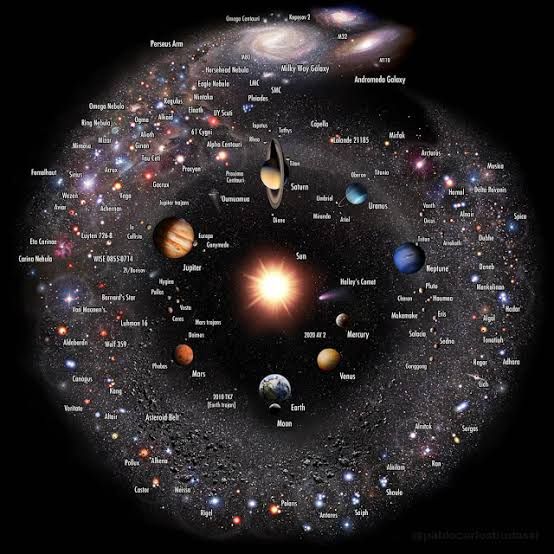
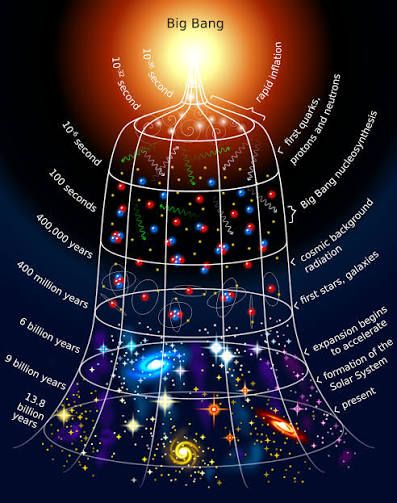
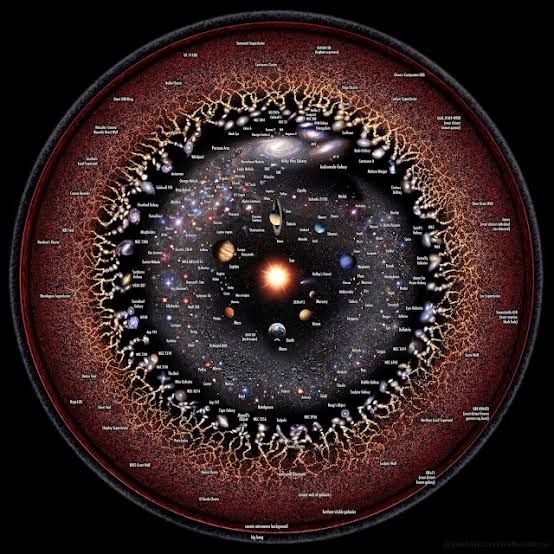
The Sun in the solar system is the source of light, heat, energy…
Sunlight reveals shapes, colors, textures, and depth in the world that remain hidden in darkness.
- Everyday vision: Light from the Sun reflects off objects into our eyes, allowing us to see forms, distance, and details across our surroundings.
- Hidden solar activity: Specialized instruments like the Daniel K. Inouye Solar Telescope and the PUNCH mission uncover fine plasma structures and solar wind streams that are invisible to the naked eye.
- Metaphorical meaning: The phrase also serves as a metaphor for clarity, awareness, or insight bringing hidden truths or realities into view.
Note this: We (as Human existed in total darkness until The Light came into our existence! That is so very true and accurate! A baby in a womb ‘sees’ nothing till born! (Does the term “Born Again” now make more sense?
In the Bible, being “born again” means experiencing a spiritual rebirth from God—receiving a new heart, forgiveness of sins, and eternal life through faith in Jesus Christ.
Rather than improving a person’s outward behavior, Scripture describes it as an inward transformation accomplished by the Holy Spirit.
1. Jesus’ Conversation with Nicodemus (John 3:1–8)
The phrase originates in Jesus’ nighttime conversation with Nicodemus, a respected religious leader:
- A birth from above. Jesus tells him, “Unless one is born again he cannot see the kingdom of God” (John 3:3). As noted by scholars on Biblical Hermeneutics Stack Exchange, the underlying Greek word (anōthen) carries the dual meaning of “again” and “from above,” pointing to a spiritual origin rather than a physical second birth.
- Flesh vs. Spirit. Jesus clarifies that physical birth only produces physical life, while true spiritual life must be generated by God’s Spirit (“Flesh gives birth to flesh, but the Spirit gives birth to spirit,” John 3:6).
2. Why Spiritual Rebirth Is Needed
Scripture teaches that every person is born physically alive, yet spiritually separated from God because of sin:
- Spiritual deadness. The Apostle Paul writes that before coming to Christ, people are “dead in trespasses and sins” (Ephesians 2:1).
- A new heart. Echoing Old Testament promises where God vowed to replace a “heart of stone” with a “heart of flesh” (Ezekiel 36:26), the New Testament presents new birth as God giving a person a brand-new spiritual nature.
3. How the Bible Says It Happens
According to Scripture, a person cannot earn this rebirth through good deeds, religious heritage, or moral effort:
- By grace through faith. Ephesians 2:8–9 explains that salvation is a gift from God received through trusting in Jesus Christ. John 1:12–13 adds that those who receive Him are given the right to become children of God, born “not of blood… nor of the will of man, but of God”.
- Through the Word and Spirit. 1 Peter 1:23 states that believers are born again “not of perishable seed but of imperishable, through the living and abiding word of God”. (Note: Different Christian traditions interpret the reference to “water and the Spirit” in John 3:5 differently—some, like Catholic Answers, connect it directly to water baptism, while others view “water” as a symbol of spiritual cleansing by God’s Word.)
4. What Changes as a Result
- A new creation. Paul summarizes the change in 2 Corinthians 5:17: “Therefore, if anyone is in Christ, he is a new creation. The old has passed away; behold, the new has come”.
- A living hope. 1 Peter 1:3 explains that God causes believers to be “born again to a living hope through the resurrection of Jesus Christ from the dead”.
- Indwelling of the Spirit. The Holy Spirit takes up residence within the believer, producing new desires to love God, walk in righteousness, and gradually grow in spiritual maturity.
God can be anything, anywhere/Anytime He desires…
In the Bible, God appears to people—often called theophanies—in physical, visionary, or symbolic forms to give promises, commands, or revelations.
Old Testament Appearances
Abraham (Genesis 18): Appears as one of three men visiting near Mamre, promising a son with Sarah and discussing Sodom.
Jacob (Genesis 32): Wrestles with Jacob as a man at Peniel before Jacob is renamed Israel.
Moses (Exodus 3, 33): Speaks from a burning bush on Mount Horeb (“I AM WHO I AM”) and later grants Moses a partial glimpse of glory after passing by.
Israel in the Wilderness (Exodus 13–14, 24): Guides the people by a pillar of cloud by day and fire by night, and manifests in cloud and fire on Mount Sinai.
Gideon & Joshua (Judges 6; Joshua 5): Appears through the “angel of the Lord” to Gideon and as commander of the Lord’s army to Joshua.
Isaiah & Ezekiel (Isaiah 6; Ezekiel 1): Revealed in symbolic prophetic visions of a heavenly throne and fiery glory.
New Testament Appearances
Jesus Christ (John 1:14): Christians view Jesus as the full human incarnation of God, including moments like the Transfiguration (Matthew 17).
The Holy Spirit (Matthew 3; Acts 2): Manifests descending like a dove at Jesus‘ baptism and as tongues of fire at Pentecost.
Paul & John (Acts 9; Revelation 1): Appears in a blinding light and voice to Saul on the Damascus road, and as the glorified Christ in apocalyptic visions to John.
He walked in the garden of Eden with Adam and Eve, He walked with Abraham: In Genesis 18, the Lord appears to Abraham near the oaks of Mamre and walks with him toward the overlook facing Sodom and Gomorrah.
That statement reflects two core theological attributes found across Christian scripture: omnipotence (all-powerful) and omnipresence (everywhere at once).In biblical teaching, this idea breaks down into three main truths:God is not limited by space or location. Scripture teaches that God fills heaven and earth simultaneously (Jeremiah 23:23-24). Because He transcends physical boundaries, He can be present and active anywhere He chooses—whether in a church, a quiet room, or the middle of a difficult circumstance.
God can manifest or work through anything. Throughout the Bible, God reveals Himself and accomplishes His purposes in whatever form or through whatever means He desires. Examples include appearing as a burning bush to Moses (Exodus 3), a pillar of cloud and fire (Exodus 13), a gentle whisper to Elijah (1 Kings 19), or speaking through unexpected vessels.
God acts according to His nature. While God has the power to do anything He pleases (Psalm 115:3), theologians note that His actions always align with His unchanging character—meaning He acts out of love, justice, and truth rather than acting arbitrarily.
God cares deeply for us and wants us to be healthy in mind, soul, and body. We can trust Him to do what only He can do, even when we can’t. He may use suffering to teach us, but He also promises to heal us. Let’s turn to Him in prayer and trust in His Loving care.


Leave a Reply