Scripture is fundamentally designed to equip people for service, foster compassion, and build up communities. Rather than serving as a tool for debate or exclusion, its core purpose is to inspire practical Love and human flourishing.
Key Ways Scripture Adds Value
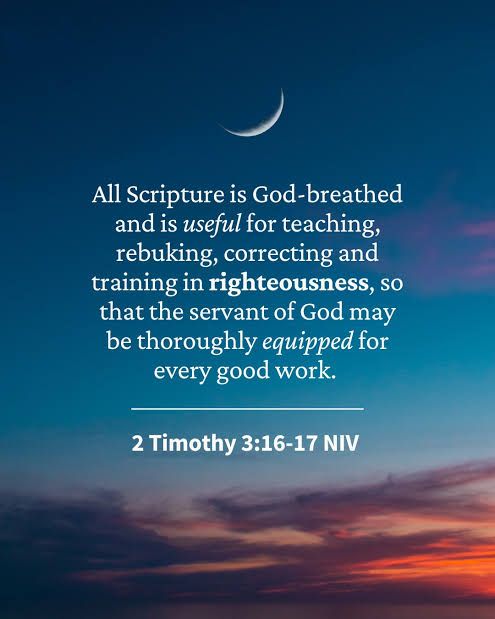
- Equipping for Good Works. As noted in 2 Timothy 3:16–17, the primary goal of biblical teaching is to prepare people to do practical good in the world.
- Affirming Human Dignity. Foundations like Genesis 1:26–27 teach that every person carries inherent worth, establishing a baseline of respect and care for all humanity.
- Building Others Up. Passages such as Ephesians 4:29 direct believers to use their words to encourage, heal, and bring grace to those around them.
- Serving the Vulnerable. Texts like Acts 20:35 emphasize generosity, reminding communities to actively support and uplift the weak.
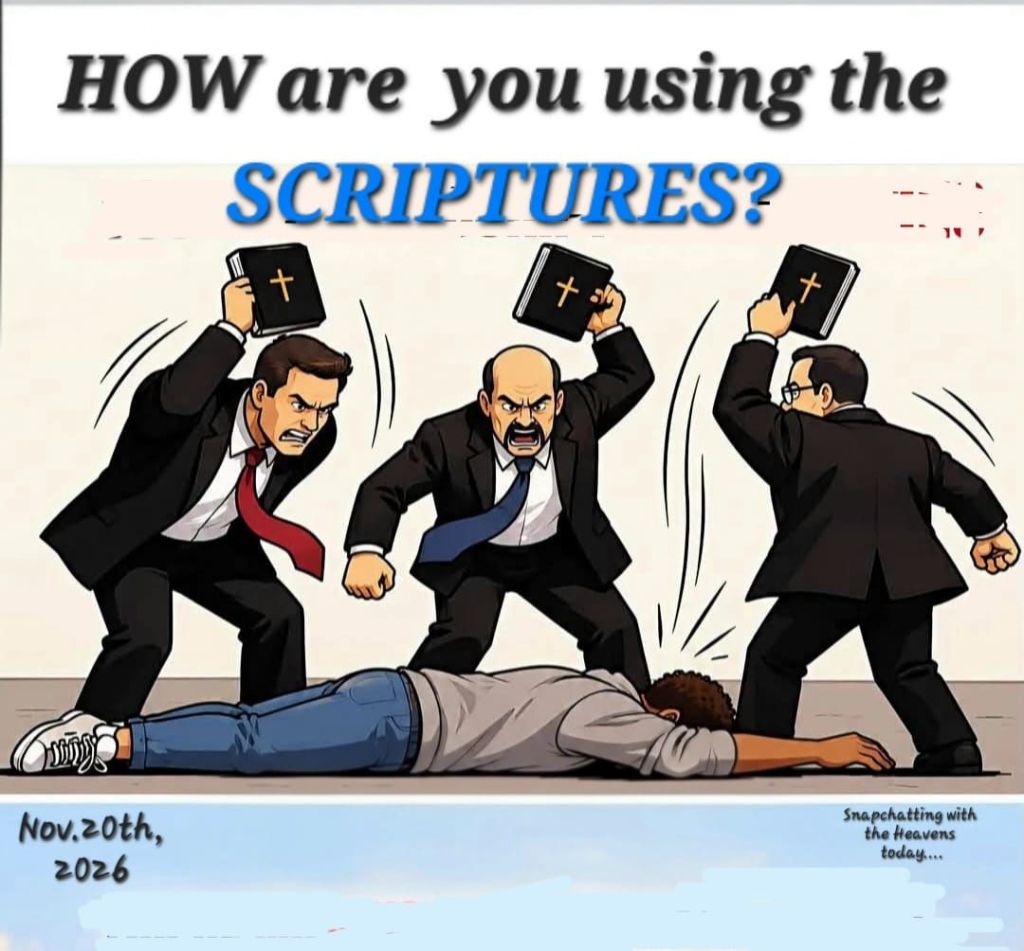
A WHISPER FROM HEAVEN!
📌 The Scripture is best used to add value to humanity!
A lot is happening in Christendom today. Prophecies and doctrines are becoming chaotic and messy. People are drifting around in search of genuine comfort that could only come from the Lord, but all to no avail! Many are left with reservation about the potency of the Word of GOD.
Skepticism toward the Bible is common in modern culture, largely driven by rationalism, shifting moral norms, and perceived contradictions between ancient texts and contemporary science.
Despite these reservations, millions of people and various theological traditions continue to view the Word of God as transformative and relevant. The debate usually centers on a few core areas:
Why Many Have Reservations
- Cultural Shift: Modern society often prioritizes individual autonomy and subjective truth over absolute authority.
- Scientific Skepticism: Literal interpretations of creation or miracles frequently clash with secular scientific frameworks.
- Historical Distance: Critics often view ancient texts as products of their specific historical cultures rather than timeless, universal mandates.
- Institutional Hypocrisy: Failures, scandals, or divisions within religious institutions often lead people to doubt the power of the message itself.
Why Many Still Affirm Its Potency
- Personal Transformation: Believers point to countless accounts of addiction recovery, restored relationships, and profound changes in character attributed to engaging with Scripture.
- Enduring Wisdom: Even from a secular standpoint, biblical principles regarding justice, forgiveness, and human nature continue to influence modern law, ethics, and literature.
- Historical Resilience: Advocates note that the text has survived centuries of critique, translation, and cultural upheaval while remaining the most widely read book in the world.
- Spiritual Experience: Within Christian theology, the Bible is viewed not merely as historical ink on paper, but as “living and active” (Hebrews 4:12), carrying spiritual weight when read with faith.
Sound familiar?
A Nugget: There is more to Scripture than mere bread and butter.
Scripture points past physical survival and routine to deeper spiritual nourishment, transformation, and relationship with God.
When Jesus faced hunger in the wilderness, he answered temptation by quoting Deuteronomy 8:3: “Man shall not live on bread alone, but on every word that comes from the mouth of God” (Matthew 4:4). Treating Scripture only as “bread and butter”—a basic daily habit, moral checklist, or source of quick comfort—can miss its larger purpose.
Key Dimensions Beyond the Basics
- Spiritual Sustenance: Physical food keeps the body going for a day, while God’s word is meant to nourish inner life and endurance over time.
- Encounter Over Information: Reading to gather facts or check a box differs from reading to know God, trust his character, and respond in obedience.
- A Deeper Hunger: In John 6, Jesus urges people to look past temporary provision toward “food that endures to eternal life” and identifies himself as the “bread of life”.
- Formation and Alignment: Scripture shapes how a person thinks, decides, and loves—reorienting daily life around God’s kingdom rather than mere self-preservation.
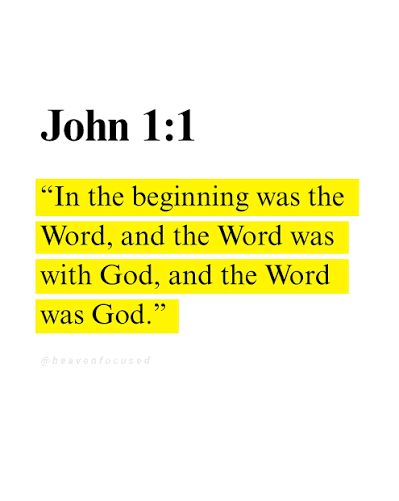
The truth? The Scripture as God’s Breath, is God!
It is to impart life and hope, and also, to equip us to serve the Lord; but this is not so in most churches today. Some leaders flex their intellect with false/overinflated religios muscle utilizing it to oppress the vulnerable believers… Let us be wise beware!

May God help us utilize His Word as He intended.🙏🔥


Leave a Reply