
In Christian tradition and scripture, the theme of healing through the blood of Jesus connects deeply to biblical accounts of faith and redemption.
The Woman with the Issue of Blood:
The New Testament describes a woman who suffered from an uncontrollable hemorrhage for twelve years before touching the fringe of Jesus’s garment in faith, after which her bleeding stopped and Jesus told her that her faith had made her whole (Luke 8:43-48, Mark 5:25-34). [1, 2]
The Atonement and Isaiah 53:5: Christian teachings often associate physical and spiritual restoration with the crucifixion, referencing passages such as Isaiah 53:5 (“by His wounds we are healed”) regarding deliverance from sin and sickness.
Spiritual vs. Physical Healing: Theological discussions frequently emphasize that while physical healing is part of Christian hope, the primary and most vital healing spoken of through Christ’s blood is the forgiveness of sins and eternal life.
True healing in the Bible encompasses both spiritual redemption and physical or emotional restoration, finding its anchor in God’s sovereignty and grace.
The Core of True Healing
- Spiritual Healing (Atonement): Passages like Isaiah 53:5 and 1 Peter 2:24 primarily point to spiritual healing—the forgiveness of sins and reconciliation with God through Christ’s sacrifice. In this sense, healing is tied directly to salvation and the removal of the penalty of sin.
- Physical Healing: The Bible records numerous physical miracles performed by Jesus and the apostles, showing that God cares for the physical body. However, scripture does not present physical healing as an automatic, unconditional guarantee in every present circumstance; faithful believers throughout the Bible experienced physical illness, weakness, and suffering.
- Whole-Person Restoration: In accounts like Jesus healing the lepers (Luke 17 / related Gospels), physical recovery is often paired with a deeper restoration that addresses shame, isolation, and emotional brokenness, bringing total wholeness.
- Ultimate Healing: Complete, permanent freedom from pain, sickness, and death is promised as an ultimate reality for believers in the future (Revelation 21:4).
Key Scripture:
A central cry for authentic restoration is found in Jeremiah 17:14:
“Heal me, O Lord, and I shall be healed; save me, and I shall be saved, for you are my praise.”
This verse recognizes that true and lasting healing originates not from human effort or self-devised strategies, but entirely from the power and mercy of God.
Key Scriptures on Unresolved Pain and Bitterness
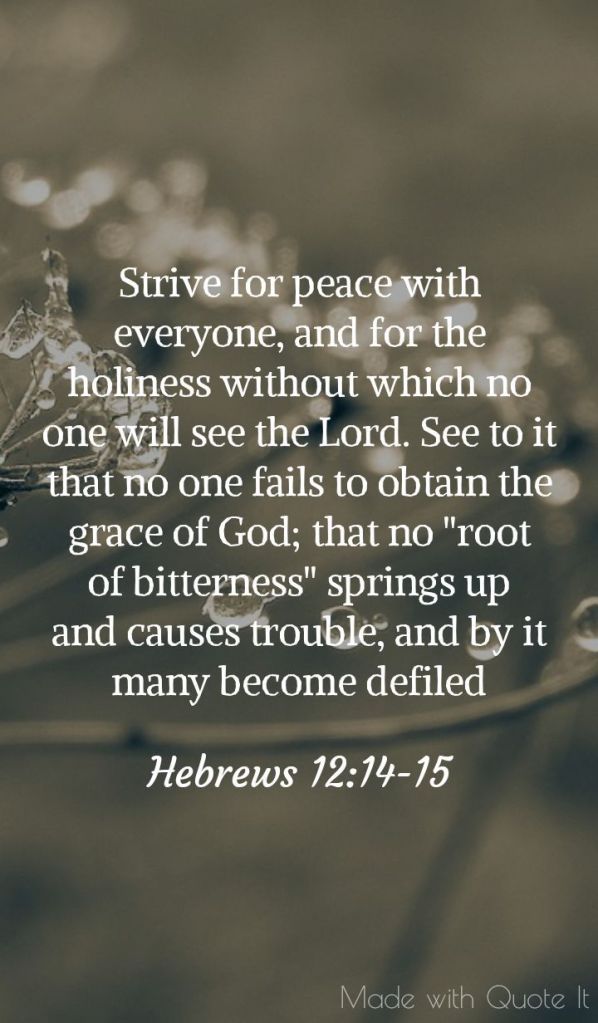
- The Spread of a Bitter Root. According to Hebrews 12:15, believers are warned to see to it that “no bitter root grows up to cause trouble and defile many”. Unaddressed pain rarely stays contained within one person and eventually spills over to poison surrounding relationships.
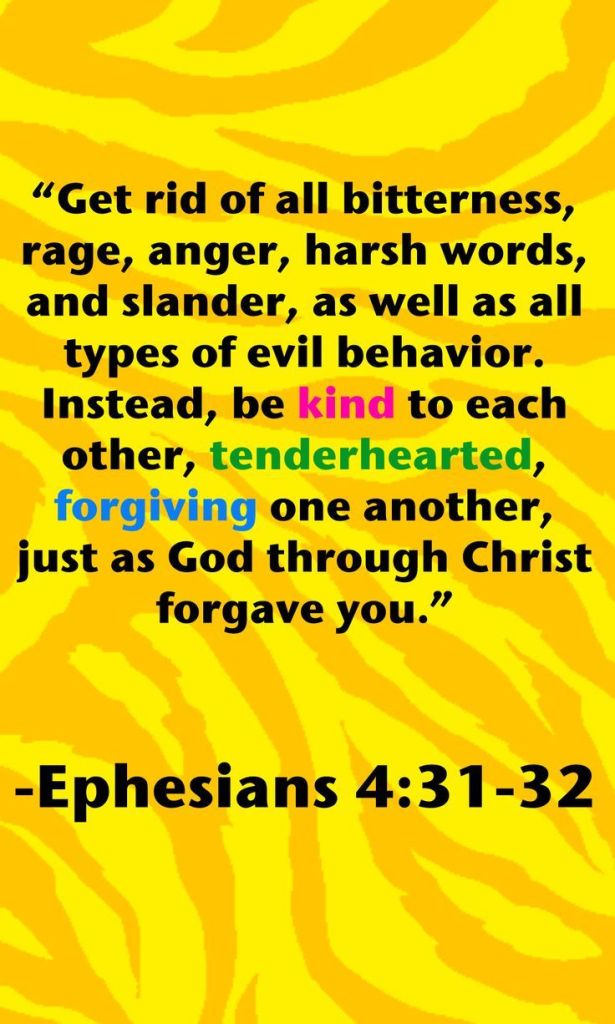
- The Progression from Hurt to Hostility. Paul writes in Ephesians 4:31–32 to “get rid of all bitterness, rage and anger, brawling and slander, along with every form of malice”. Left unchecked, internal resentment escalates into outward conflict and hostility toward others.
- The Heart as the Wellspring of Behavior. As noted in Proverbs 4:23, we are urged to “above all else, guard your heart, for everything you do flows from it”. When the heart is wounded and unguarded, defensive reactions and suspicion flow into every interaction.
- The Danger of Lingering Anger. Scripture cautions in Ephesians 4:26–27 not to “let the sun go down while you are still angry, and do not give the devil a foothold”. Holding onto yesterday’s pain creates ongoing division and invites strife into otherwise healthy bonds.
Biblical Figures Who Illustrate This Pattern
- King Saul. Saul’s deep insecurity and wounded pride over David’s popularity grew into paranoia. Instead of celebrating a loyal ally, Saul treated David as a mortal enemy and destroyed his own peace and family in the process.
- Esau. After losing his birthright and blessing, Esau nursed a grudge against his brother Jacob that fractured their family for decades (Genesis 27:41).
- Cain. Cain’s unaddressed pain and jealousy over his rejected offering turned into bitter resentment, ultimately leading him to view his brother Abel as an enemy (Genesis 4:5–8).
The Biblical Path to Healing
- Bringing Wounds to God. Psalm 147:3 promises that God “heals the brokenhearted and binds up their wounds”. True relational restoration begins with letting God tend to the underlying injury rather than expecting others to carry it.
- Choosing Forgiveness. Colossians 3:13 instructs believers to “bear with each other and forgive one another if any of you has a grievance against someone”. Forgiveness breaks the cycle of offense so past pain stops dictating present relationships.

A WHISPER FROM HEAVEN!
📌 Unhealed pain often ruins relationships and multiplies ‘enemies’.
Core Meaning & Themes
- Pursuing Peace & Holiness: Believers are urged to actively foster harmony with others and live a dedicated, holy life, which is necessary to see the Lord.
- Guarding Grace & Preventing Bitterness: The passage warns against falling short of God’s grace or allowing a “bitter root” to sprout and corrupt the community.
Offense, Tragedies, Loss, Betraya…etc are daily incidents but the ripple effects always linger over the people around us until we get healed. Have you suddenly become a nag, or are you being nagged for no reason? That is a red flag of certain hidden wounds… We are in it together!
Reflection: Every carrier of bottled up bitterness or pain is infectious!
Seeing God in the picture of any issue, helps to terminate all bitterness towards the culprit or the situation.
The truth? By Christ, forgiveness comes first and then the gradual healing process whereby we address the issues and, learn from it… Notably, never hide your feelings! Face reality!
Key Themes & Meaning
- Things to Put Off (Verse 31): Paul instructs believers to rid themselves of destructive emotional and verbal patterns:
- Bitterness: A deep-seated, resentful attitude.
- Wrath and Anger: Outbursts of rage and internal fury.
- Clamor: Loud shouting, brawling, or verbal violence.
- Slander: Harmful, malicious, or false speech about others.
- Malice: A general disposition toward ill-will or wishing harm.
- Virtues to Put On (Verse 32): In place of these reactions, Paul calls for a transformation of the heart:
- Kindness and Tenderheartedness: Acting with active goodwill and genuine compassion rather than hardness or indifference.
- Forgiveness: Pardoning others freely.
- The Ultimate Standard: Forgiveness is modeled directly on how God forgave believers through Jesus Christ.
A Prayer for Complete Healing
“Lord Jesus, thank You for promising to walk with me through sickness and pain. My spirit and body feel broken, but I know I can trust You. Thank You for being a God who can sympathize with me. Fill me now with Your healing strength and provide me with complete healing. In Jesus’ Name, Amen.”
A Prayer for Physical and Emotional Restoration
“Heavenly Father, I come before You with a heart full of faith and trust in Your power to heal. Lord, You are the Great Physician, and I believe in Your ability to restore health and bring comfort in times of distress. Touch me with Your healing hand, renew my strength, and fill me with the peace that surpasses all understanding. Mend what is broken, remove all pain or sickness, and restore me to full health in mind, body, and spirit. In Jesus’ Name, Amen.”
May God heal us in totality, in Jesus’ MIGHTY Name, Amen.🙏🔥


Leave a Reply