What’s something you miss from the old days?
There was an undeniable swagger to walking down the block with a massive dual-cassette boombox resting on your shoulder—draining six heavy D-cell batteries just to broadcast your favorite hip-hop, rock, or pop tape to the entire neighborhood.
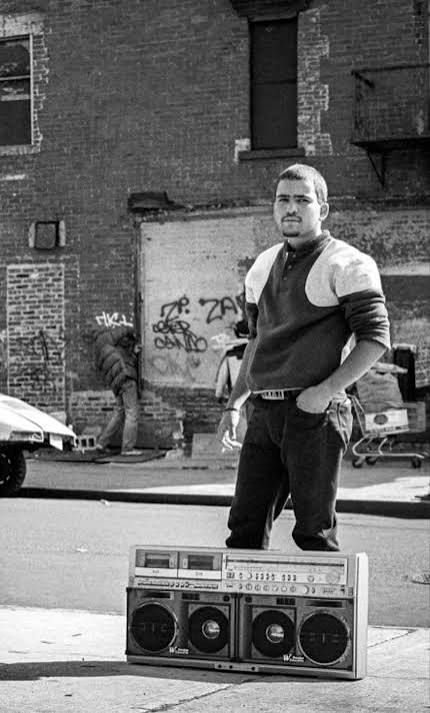
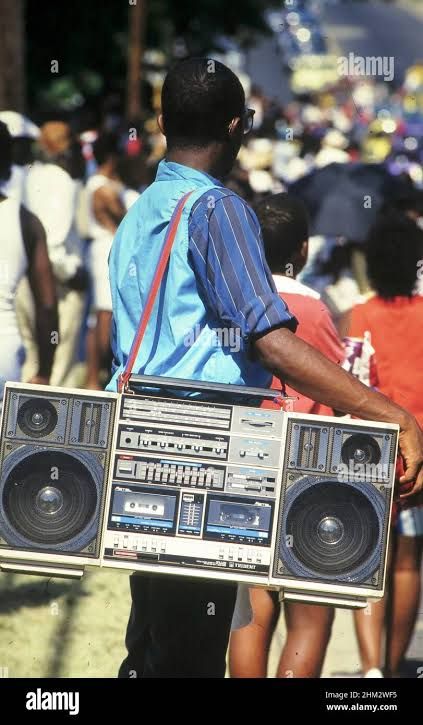
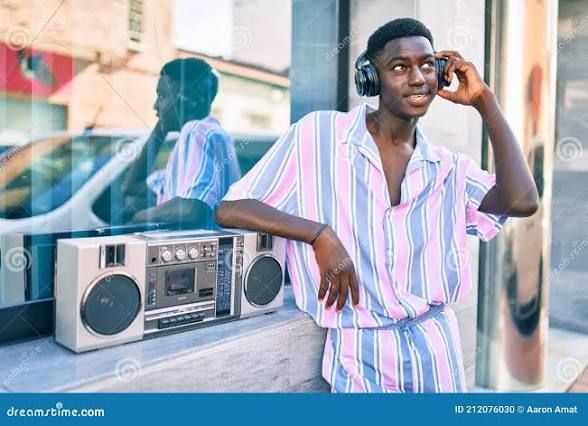
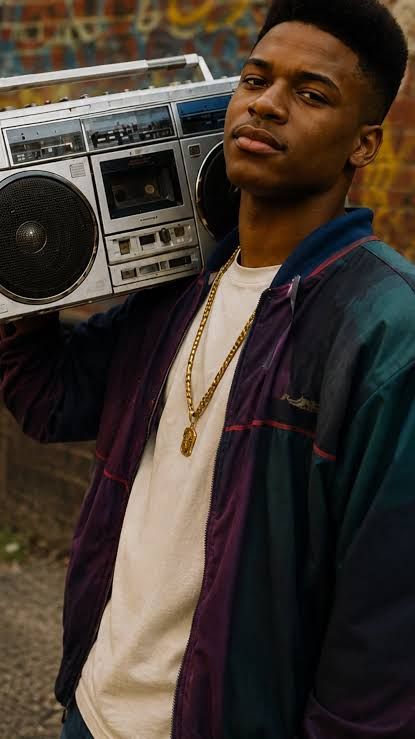

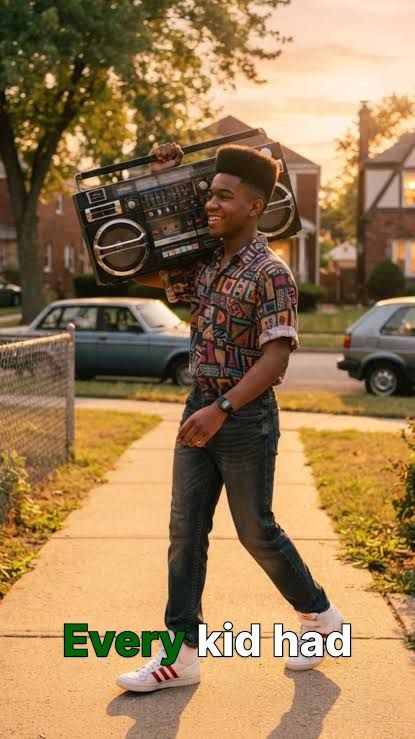
Long before digital playlists and tiny invisible earbuds, music had physical weight, mechanical clicks, and the tactile ritual of pulling a cassette out with a Bic pen to wind a loose ribbon back into place.
Whether it was getting lost in your own world with a yellow Sony Sports Walkman and those iconic foam-padded headphones or sharing a hard-won custom mixtape out loud, that era turned every sidewalk into a stage.
Because nostalgia is deeply personal, what resonates most depends on your borough and upbringing, though people from that specific generation and background often miss the tight-knit, unhurried rhythm of church-centered neighborhood life before gentrification and smartphones.
Faith and the Black Church Experience
Growing up in the 1980s meant experiencing the Black church as the undisputed anchor of social, spiritual, and civic life.
- All-day Sunday fellowship. You likely remember dressing up in your Sunday best for morning service, Sunday School, Baptist Training Union (BTU) or youth choir rehearsal, and staying through afternoon dinners in the church basement.
- The sound of 80s and 90s gospel. You might miss the raw, acoustic energy of Hammond B-3 organs, tambourines, and massive mass choirs singing Rev. James Cleveland, the Hawkins Family, or Hezekiah Walker before modern praise-and-worship tracks and LED screens became the norm.
- Shared cultural and spiritual references. In that era, the church wasn’t just for Sundays; it was where community news traveled, elders kept an eye on neighborhood kids, and shared biblical literacy shaped everyday conversation.
Growing Up in 1980s New York City
Coming of age in NYC during the 1980s meant living through a gritty, vibrant era that looks completely different from the hyper-curated, expensive city of 2026.
- Pre-gentrification neighborhoods. Whether you grew up in Harlem, Bed-Stuy, the South Bronx, or Southeast Queens, you might miss blocks where multi-generational Black families knew each other’s names and owned local businesses, barbershops, and corner stores.
- The Golden Age of Hip-Hop and R&B. Being a teenager in the late 1980s meant witnessing the birth of hip-hop’s golden era in real time—block parties with DJs plugged into lampposts, dubbing tapes off WBLS or Kiss FM, and dancing to New Jack Swing.
- Unplugged street culture. You likely miss playing double Dutch, skelly, or stoop ball until the streetlights came on, and riding the subway with tokens in your pocket without anyone staring at a phone screen.
Shared Black Media and Milestones
Before streaming fragmented everyone into separate algorithms, Black culture in the 1980s and early 1990s was a collective, appointment-viewing experience.
- Must-see Thursday nights and weekend radio. Watching The Cosby Show, A Different World, or In Living Color meant everyone at school and church was talking about the exact same episode the next day.
- Historic community pride. You witnessed pivotal moments in Black representation, such as Jesse Jackson’s 1984 and 1988 presidential campaigns, the launch of The Oprah Winfrey Show in 1986, and David Dinkins becoming New York City’s first African American mayor in 1989.
Rather than yearning for a specific historical era, many believers reflect on the simplicity of earlier community rhythms—such as close-knit church gatherings, printed Sunday school materials, fellowship dinners, and an era when local congregations operated as an extended family network.
At the same time, Christian tradition frequently cautions against dwelling too deeply on the “good old days”. Drawing from scriptures like Ecclesiastes 7:10 (“Say not, ‘Why were the former days better than these?’ For it is not from wisdom that you ask this”), the perspective is that excessive nostalgia can create a selective memory of the past, mask earlier struggles, and distract from what is unfolding in the present.
Within Christian thought, the past is best viewed as a source of gratitude for God’s faithfulness rather than a place to live, focusing instead on the idea that grace and renewal are continually at work in the present moment.
1. The Manhattan-to-North-Jersey Dynamic
- City Grit Meets Suburban Peace: Being born in Manhattan gives you a specific cultural edge, pace, and resilience. Living in North Jersey (whether in Bergen, Passaic, Essex, or Hudson County) often means trading the constant hustle of the city for a bit more breathing room, while staying close enough to still feel the pulse of New York.
- Navigating Different Spaces: You likely move effortlessly between different environments. You might work in the city or a major corporate hub, live in a diverse suburban town, and worship in a community that feels like home.
- Cultural Code-Switching: North Jersey is a patchwork of tightly packed towns that can change drastically in demographics from one exit on the Garden State Parkway or Route 4 to the next. As a Black man, you are likely very aware of how you are perceived in affluent, predominantly white towns versus historically Black or diverse hubs like Teaneck, Englewood, Paterson, Montclair, or Newark.
2. Faith in Your 50s: Depth Over Hype
- A Matured Walk: Being a born-again Christian in your 50s usually looks very different than it did in your 20s or 30s. Faith tends to be less about emotional highs and more about endurance, wisdom, and consistency. You have likely seen enough life—and enough church—to know the difference between genuine spiritual growth and mere performance.
- The “Elder” Role: In your 50s, younger men at church and in your community naturally start looking to you as an example. Whether you hold a formal title like deacon or elder, or simply sit in the pews, you carry a quiet authority as a mentor and a stabilizing presence.
- Navigating the Modern Church Landscape: In 2026, the American church is heavily polarized along political and cultural lines. As a Black believer in the Northeast, you may find yourself walking a middle path—holding firm to traditional, biblical views on faith and salvation while also caring deeply about justice, community, and the real-world experiences of Black people in America.
3. The Church Community in North Jersey
- Rich Worship Options: North Jersey offers a wide variety of church environments. You might attend a vibrant, historic Black Baptist or Pentecostal church in Essex or Passaic County, or a large, multi-ethnic non-denominational church in Bergen County.
- Brotherhood and Accountability: Finding genuine male friendship in your 50s can be tough, especially in the busy tri-state area. Men’s ministries, Saturday morning prayer breakfasts, or small groups often become vital spaces where you can drop your guard, talk honestly about stress, health, or family, and pray with brothers who understand your walk.
4. Midlife Realities in 2026
- The Sandwich Generation: In your 50s, you are often balancing multiple heavy responsibilities. You may be supporting adult children navigating a tough economy, caring for aging parents (perhaps still in the five boroughs), and managing your own career or retirement plans. Your faith serves as the anchor that keeps you grounded through these pressures.
- Health and Legacy: This decade brings a heightened awareness of physical health, mortality, and legacy. Being “born again” takes on a deeper meaning as you think less about climbing the ladder and more about leaving a lasting spiritual and financial legacy for your family.
- The Cost of Living: Living in North Jersey in 2026 comes with high property taxes and a steep cost of living. Relying on God as a provider isn’t just a Sunday talking point; it is a practical reality as you plan for the future in one of the most expensive regions in the country.


Leave a Reply