How do you stay resilient in hard times?

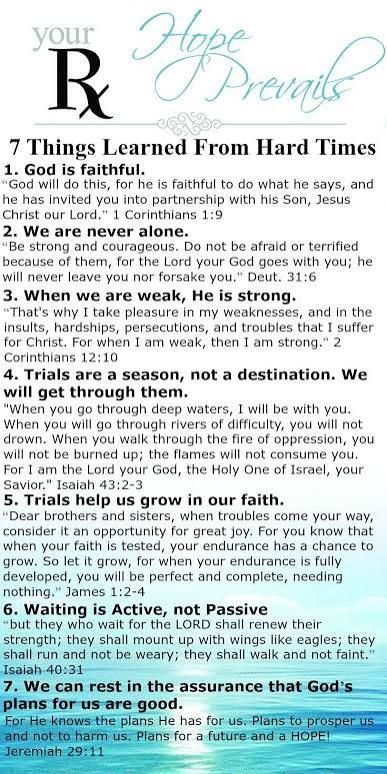
Staying resilient in hard times through a Christian framework is not about pretending pain does not exist or mustering up endless personal willpower.
Instead, it is rooted in the sovereign promise of Romans 8:28—that God actively works all things together for the good of those who love Him and are called according to His purpose.
Grounded in Scripture, theological understanding, and daily spiritual habits, Christian resilience is sustained through several core practices:
1. Anchor in God’s Sovereignty, Not Circumstances
- The Shift from Control to Trust: Human resilience often tries to fix, control, or figure out every variable. Christian resilience begins by relinquishing the need to understand the immediate outcome and resting in the character of God.
- If it’s not good, He isn’t finished: As reflected in teachings on Time of Grace, a difficult season does not mean God’s promise has failed; it means the story is still in progress. God uses trials to refine character, redirect steps, and prepare believers for what lies ahead (James 1:2–4).
- Biblical Precedents: Think of Joseph thrown into a pit and sold into slavery, only to see God weave those exact injustices into a means of saving his family and a nation (Genesis 50:20), or the Apostle Paul suffering relentless persecution while anchoring his joy in Christ.
2. Rely on Spirit-Empowered Strength
- Not Self-Made Grit: Secular grit relies on human endurance, which eventually fractures. Christian endurance is Spirit-empowered: “I can do all things through him who gives me strength” (Philippians 4:13).
- The Clay Jar Paradox: In Desiring God, Christian resilience is likened to an unbreakable clay jar (2 Corinthians 4:7–10)—fragile on the outside, yet possessing paradoxical, indestructible strength because the power belongs to God and not to us.
3. Cultivate Daily Spiritual Stamina
Faith is active, not passive. Endurance is built in the quiet, unglamorous rhythms of daily life before the storm hits:
- Prayer and Scripture Meditation: Consistently fixing the heart’s gaze on eternal promises rather than transient afflictions (2 Corinthians 4:18).
- Worship and Lament: Bringing honest confusion, grief, and doubts to God (much like the Psalms) rather than burying them, trusting that He can handle raw human emotion.
- Community Support: Leaning on the local church, small groups, and trusted counsel rather than isolating in pain (Ecclesiastes 4:9–12).
https://www.desiringgod.org/articles/what-will-make-you-resilient


Leave a Reply