Let me be straight, and ask you this: “What is your favorite verse? Why? How does that apply to you today?”
And please don’t quote:
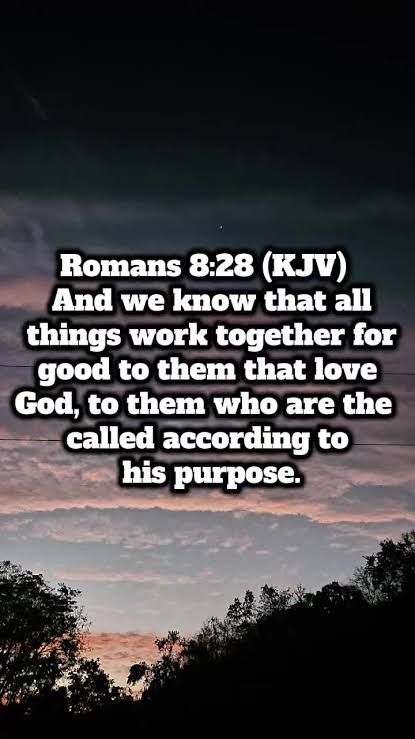
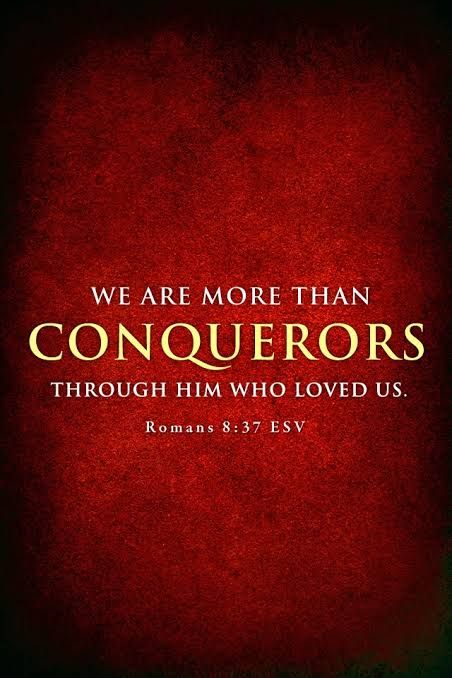
I should ask what you derived this week from the Word of God?! What have you been meditating on (Scripture wise.) Remember this: “Meditate on the Word day and night!” Have you? Do you?
When was the last time you prayed for someone else? Or simply gave praise and thanks to God not asking for anything?!
Remember this! Psalm 139:4 “Even before a word is on my tongue, behold, O Lord, you know it altogether.”
Taking time to offer prayer solely for intercession—lifting up the needs, healing, or well-being of others—or simply pausing to give pure praise and thanksgiving without a single petition is a meaningful shift from asking to honoring God – our Father. Think hard on this! What would make God smile??? Meditate on that! Be led by the Spirit and do it!
Deep!
“You like to appear righteous in public, but God knows your hearts. What this world honors is detestable in the sight of God.”
Key Bible Verses About God Knowing the Heart
- 1 Samuel 16:7: “People look at the outward appearance, but the LORD looks at the heart.”
- Jeremiah 17:10: “I the LORD search the heart and examine the mind, to reward each person according to their conduct…”
- Psalm 139:23–24: “Search me, God, and know my heart; test me and know my anxious thoughts.”
- 1 Chronicles 28:9: “…for the LORD searches every heart and understands every desire and every thought.”
- Hebrews 4:12: “…discerning the thoughts and intentions of the heart.”
- Acts 1:24: “You, Lord, who know the hearts of all…”
Many spiritual traditions and daily reflections emphasize that gratitude and intercession anchor a deeper relationship with God, moving past a list of daily needs to recognize presence, grace, and life itself.
Blessed is the man that walketh not in the counsel of the ungodly, nor standeth in the way of sinners, nor sitteth in the seat of the scornful.
But his delight is in the law of the Lord; and in His law doth he meditate day and night.
And he shall be like a tree planted by the rivers of water, that bringeth forth his fruit in his season; his leaf also shall not wither; and whatsoever he doeth shall prosper.
The ungodly are not so: but are like the chaff which the wind driveth away.
Therefore the ungodly shall not stand in the judgment, nor sinners in the congregation of the righteous.
For the Lord knoweth the way of the righteous: but the way of the ungodly shall perish.
When Jesus said, “God knows your heart” in Luke 16:15, He was speaking to the Pharisees—men who lived double lives. Outwardly, they sought public approval. They made a point of following all the religious rules and worked hard to impress people so that they would appear to be godly and wise. But God knew their hearts. He saw through their phony, pious displays to what was on the inside.
Luke called these Pharisees “lovers of money” (Luke 16:14), and Jesus said to them, “You like to appear righteous in public, but God knows your hearts. What this world honors is detestable in the sight of God” (Luke 16:15, NLT). Jesus had just finished teaching about wealth and possessions (Luke 16:1–13). Through a parable, He showed that genuine kingdom followers obey God and His Word rather than pay homage to those things the world values like money and status. He closed with this piercing caution to people who attempt to live dual lives: “No one can serve two masters. Either you will hate the one and love the other, or you will be devoted to the one and despise the other. You cannot serve both God and money” (Luke 16:13).
God knew that, in the heart of the Pharisees, they served money. They were only generous with their money on public occasions when others could see them giving. Despite their strict religious fervor, they cultivated godless values just like the unbelieving worldly crowd. They even claimed that their wealth was God’s reward for their righteous living (Luke 18:9–11). But Jesus harshly criticized their outward displays of piety: “Be careful not to practice your righteousness in front of others to be seen by them. If you do, you will have no reward from your Father in heaven. So when you give to the needy, do not announce it with trumpets, as the hypocrites do in the synagogues and on the streets, to be honored by others. Truly I tell you, they have received their reward in full. But when you give to the needy, do not let your left hand know what your right hand is doing, so that your giving may be in secret. Then your Father, who sees what is done in secret, will reward you” (Matthew 6:1–4; see also Matthew 23:5).
God called out these religious leaders for their greed, self-indulgence, and hypocrisy: “Woe to you, teachers of the law and Pharisees, you hypocrites! You clean the outside of the cup and dish, but inside they are full of greed and self-indulgence. Blind Pharisee! First clean the inside of the cup and dish, and then the outside also will be clean. . . . You are like whitewashed tombs, which look beautiful on the outside but on the inside are full of the bones of the dead and everything unclean” (Matthew 23:25–27).
The Pharisees proved that appearances can be deceiving. Their actions were inconsistent with who they really were in their hearts. In the Bible, “the heart” refers to a person’s inner moral and spiritual life.
Jesus’ challenge to these hypocritical leaders is the same for His followers today. We must be careful not to simply honor the Lord with our lips while we live like the world because our hearts are far from Him (Matthew 15:8; Isaiah 29:13). We need to focus on cleaning up the inside of our spiritual houses, dealing with our sinful attitudes and misguided motives. If the inner person is righteous, “the good treasure of his heart produces good” (Luke 6:45, ESV). The inner treasure of righteousness will flow out to produce external holiness as well. Our moral and spiritual character will automatically be revealed on the outside.
God knows your heart is a concept seen throughout the Bible. The prophet Jeremiah declared that the Lord “tests the righteous” and “sees the heart and the mind” (Jeremiah 20:12, ESV). “The Lord weighs the heart,” says Proverbs 21:2. When it came time for Samuel to anoint a new king, God looked past outward appearances to the heart to make His choice: “But the LORD said to Samuel, ‘Do not consider his appearance or his height. . . . The LORD does not look at the things people look at. People look at the outward appearance, but the LORD looks at the heart’” (1 Samuel 16:7). When King David passed the mantle to his son Solomon, he prayed, “And you, my son Solomon, acknowledge the God of your father, and serve him with wholehearted devotion and with a willing mind, for the LORD searches every heart and understands every desire and every thought” (1 Chronicles 28:9).
God sees what is done in secret. His eyes “range throughout the earth to strengthen those whose hearts are fully committed to him” (2 Chronicles 16:9). He knows the motives behind every action because He knows every human heart (1 Kings 8:39; Acts 1:24; 15:8). Since God knows our hearts, we ought to always live to please Him alone and not worry about impressing people.


Leave a Reply