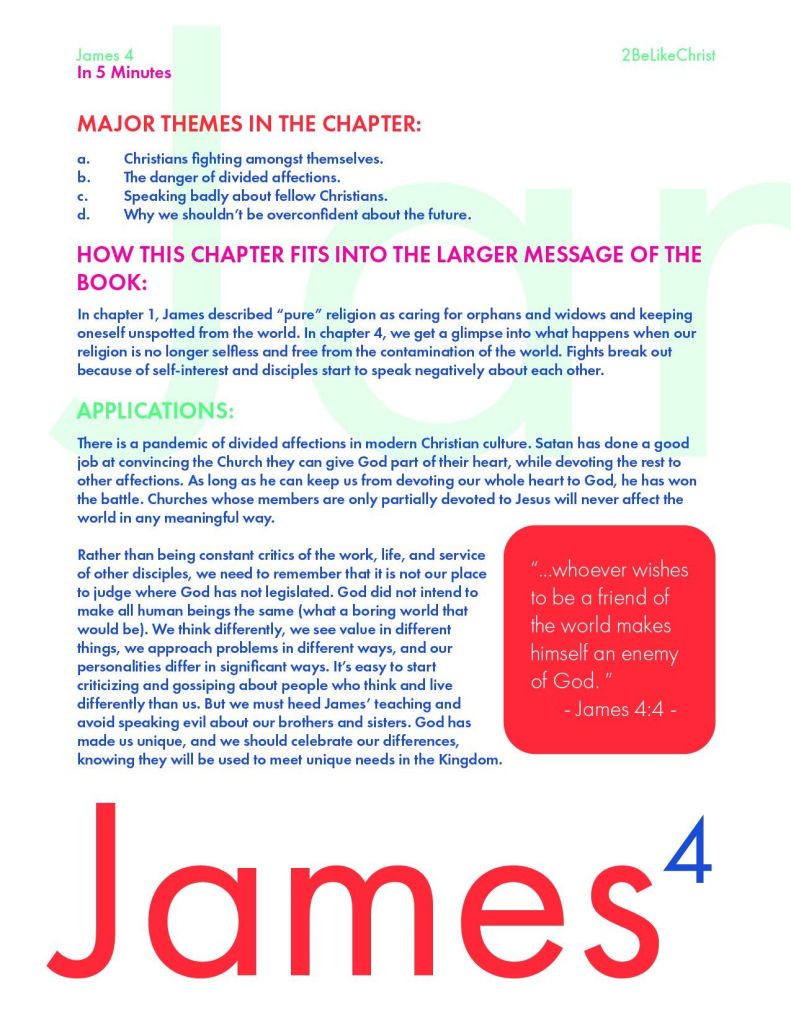
James 4:11–12 and James 4:17 form the closing warnings of a broader passage on human pride, self-sufficiency, and the danger of “playing God” (James 4:11–17).
The Text (ESV)
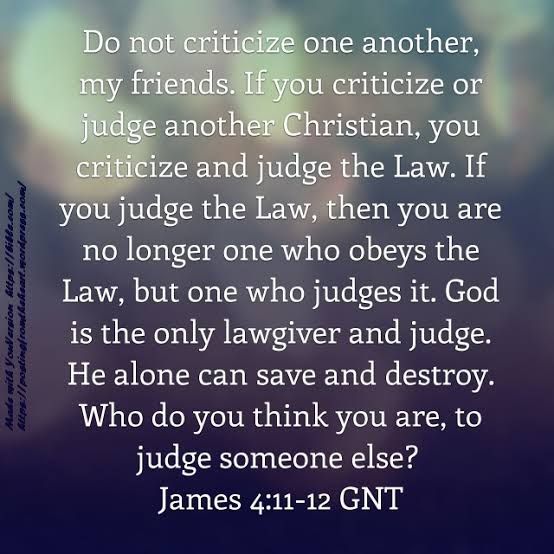
The full text of James 4:11–12 and 4:17 can be consulted directly in the referenced source, addressing destructive speech and the failure to act on what is right.
Meaning & Core Teachings
1. James 4:11–12: Slander and Usurping God’s Role
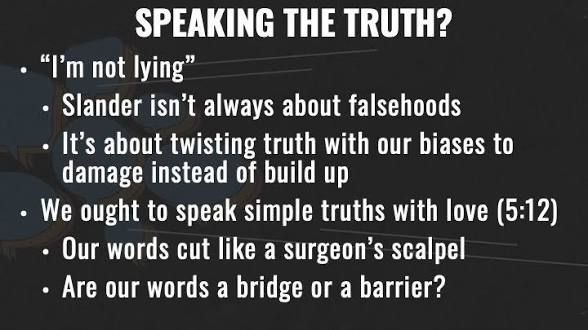
- Speaking Evil (Slander/Gossip): The Greek term katalaleō refers to backbiting, defaming, or spreading malicious talk to tear someone down and elevate oneself.
- Judging the Law: Slandering or self-righteously condemning a fellow believer subverts God’s command to love your neighbor as yourself, placing yourself above the law rather than obeying it.
- Playing God: Because God is the sole Lawgiver and Judge with authority to save or destroy, pronouncing moral or eternal verdicts on others arrogantly usurps His role.
2. The Bridge (James 4:13–16): Arrogant Planning
- Sandwiched between these verses, James warns against living as if God does not exist, reminding readers that human life is a fleeting vapor.
3. James 4:17: The Sin of Omission
- Knowing vs. Doing: Verse 17 summarizes that knowing the right thing to do and failing to do it is a sin.
- Sins of Omission: Beyond active wrongdoing, James emphasizes the failure to do good, kind, or obedient actions when equipped with the knowledge to do so.
- Contextual Tie-In: In context, this means humbling oneself under God’s sovereignty, loving neighbors instead of slandering them, and actively obeying rather than remaining passive or prideful.
Key Biblical References & Parallels
- Leviticus 19:16–18: Prohibits slandering others and commands loving your neighbor as yourself.
- Matthew 7:1–5: Jesus’s teaching on avoiding hypocritical judgment of others.
- Luke 12:47–48: Parable establishing that greater knowledge brings greater accountability for inaction.
- James 1:22: A call to be “doers of the word, and not hearers only”. [1, 2, 3]
The Core Message
True Christian humility transforms speech—halting destructive gossip and arrogant judgment—and aligns the will by surrendering plans to God and acting on known responsibilities.


Leave a Reply