“Where there is no prophetic vision the people cast off restraint, but blessed is he who keeps the law.” Proverbs 29:18
Your true identity is defined by what God and His Word say about you, rather than your past mistakes, feelings, or temporary status in the world. We as believers in Jesus’ Name are not perfect! We here in the world sin! We need to constantly seek the face of God – being like Jesus! Grow in Christ!
Who You Are Truthfully
- You are a new creation: Your past failures and shame do not dictate your worth. Through Christ, you are made brand new.
- You are deeply loved and chosen: God chose you, adopted you as His child, and values you as His personal work of art.
- You are set free from condemnation: Guilt and accusation belong to the enemy, whereas God offers conviction that leads to growth and grace without permanent shame.
- You are called to speak and live in truth: Honesty, integrity, and speaking the truth in love are central to living out your identity as part of God’s family.
Key Quotations & Teachings
- Identity vs. Labels: The world tries to define you by what you do, own, or fail at, but Scripture defines you by whose you are.
- The Role of Truth: Jesus states that knowing the truth brings genuine freedom from deception, sin, and fear.
Essential Bible References
- New Identity in Christ
- 2 Corinthians 5:17 – “Therefore, if anyone is in Christ, the new creation has come: The old has gone, the new is here!”
- Ephesians 2:10 – “For we are God’s handiwork, created in Christ Jesus to do good works, which God prepared in advance for us to do.”
- 1 Peter 2:9 – “But you are a chosen people, a royal priesthood, a holy nation, God’s special possession…”
- God’s Unfailing Love & Acceptance
- Romans 8:38–39 – Nothing can separate believers from the love of God in Christ Jesus.
- 1 John 3:1 – “See what great love the Father has lavished on us, that we should be called children of God! And that is what we are!”
- Psalm 139:14 – “I praise you because I am fearfully and wonderfully made…”
- Truthfulness & Freedom
- John 8:32 – “Then you will know the truth, and the truth will set you free.”
- John 14:6 – Jesus answered, “I am the way and the truth and the life…”
- Ephesians 4:25 – “Therefore each of you must put off falsehood and speak truthfully to your neighbor…”
- Proverbs 12:22 – “Lying lips are detestable to the Lord, but faithful people are His delight.”
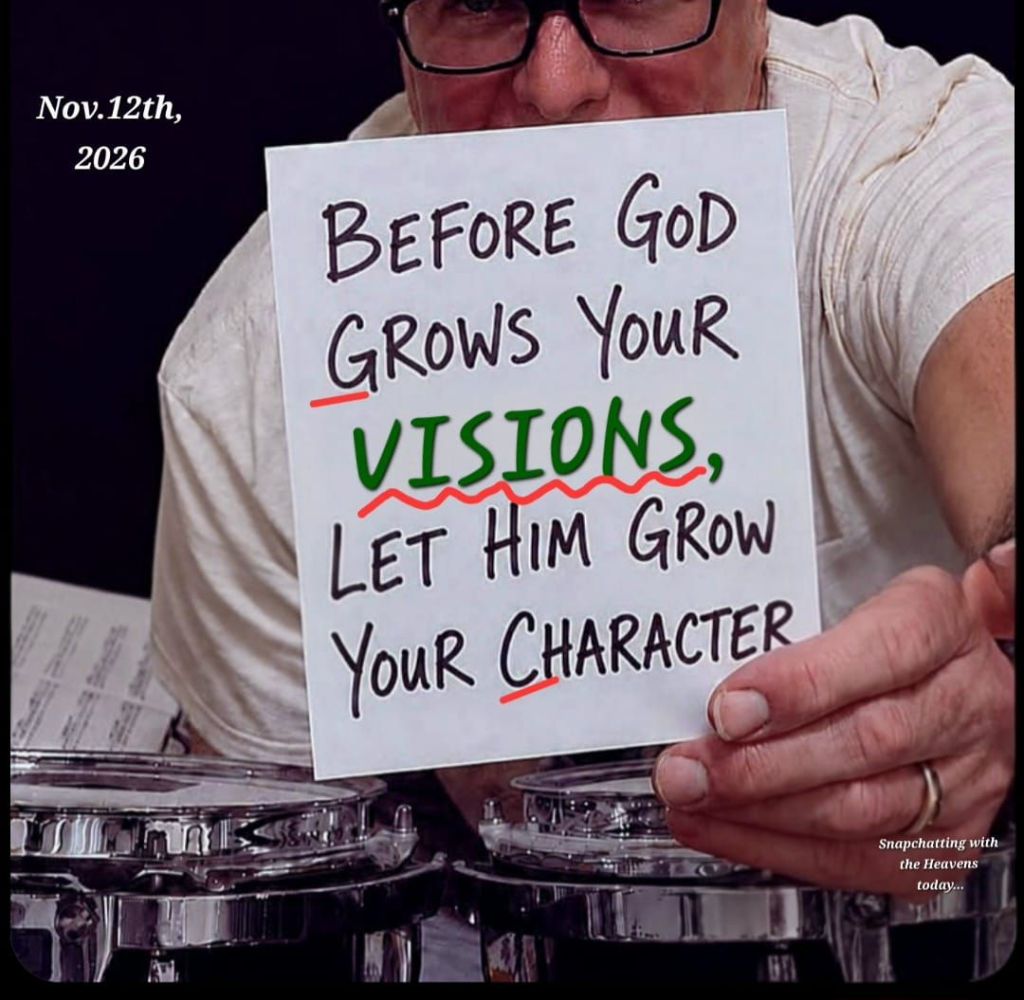
A WHISPER FROM HEAVEN!
📌Is there any correlation between a man’s vision and his character?
We may individually view it differently, but the truth is that every endeavor requires character integrity. It’s great to envision something great running the gamut from an admirable family to an excellent career, a fervent church ministry and other positions of grace, but just a little moral deficit can crash it all unannounced! Constantly seek God’s face continually.
Seeking God’s face is a central spiritual theme throughout the Bible, anchored in verses like 1 Chronicles 16:11 and Psalm 105:4, which command believers to “look to the Lord and his strength; seek his face always [continually]”.
What It Means to Seek God’s Face
- Relational over Transactional: Seeking God’s face means pursuing His presence, character, and relationship rather than merely asking for His hand or material blessings. In Hebrew, the word for “face” (pânîym) denotes close, personal, face-to-face contact. [1, 2, 3]
- Active and Unceasing: It is not a passive or occasional thought, but an intentional, unremitting desire (tāmîd) to stay connected to Him across all seasons—whether in times of joy, uncertainty, waiting, or crisis. [1, 2]
- Reliance on His Strength: To seek His face is to acknowledge that human strength and self-reliance are limited, finding true peace, wisdom, and renewal in His inexhaustible power. [1, 2]
How to Practice It Daily
- Prayer and Meditation: Communicating honestly with God and listening to His voice rather than rushing through a checklist of requests.
- Engaging with His Word: Allowing Scripture to reveal His heart, truth, and character.
- Humble Alignment: Turning away from distractions, pride, or unconfessed habits that create a barrier to His presence, and inviting His Spirit to guide each moment.
A Nugget: Without character to wheel the vision, it will remain stagnant!
The truth? Character is grown through obedience to God’s Word:
Spiritual and moral character is formed not merely through intellectual study or passing time, but through active, daily obedience to God’s Word.
Core Biblical Principles of Obedience and Character
- Surrender of Personal Will: Building godly character requires replacing self-will and pride with God’s purpose and precepts.
- The Example of Christ: In Hebrews 5:8, Scripture notes that Jesus “learned obedience by the things which He suffered,” showing that perseverance through trials refines character.
- A Heart of Faith: True obedience cannot be mechanical or forced; it must spring from a genuine, loving relationship with Christ (John 14:15) and be anchored in faith (Romans 14:23, Hebrews 11:6).
- The Foundation of Wisdom: Jesus described the person who hears and obeys His words as a wise builder who built a house upon a solid rock (Matthew 7:24, Luke 11:28).
- Fruitfulness in Community: Aligning with God’s Word shapes individual integrity and strengthens unity, love, and service within the body of believers.
It (your character) is developed by the inner workings of the Holy Spirit and also, through testing; Samson resisted it, but Samuel aligned with it…
In the Bible, Samson and Samuel are frequently contrasted in homiletics and biblical study (such as being grouped together in Hebrews 11:32) to highlight two very different leadership styles, characters, and legacies during the transitional era of ancient Israel.
Similarities
- Miraculous Births: Both men were born after their mothers experienced long periods of barrenness, and both births were announced by divine intervention/messengers (Samson’s mother via an angel in Judges 13; Samuel’s mother Hannah via prayer and a vow in 1Samuel 1). [1, 2]
- Dedicated/Set Apart: Both had unique, consecrated relationships with God from an early stage—Samson as a lifelong Nazirite (Judges 13:5), and Samuel dedicated by his mother to serve in the tabernacle under Eli the priest (1 Samuel 1:28).
- Leaders/Judges of Israel: Both served crucial roles in leading Israel during eras of heavy foreign pressure (primarily the Philistines), marking the twilight of the period of the Judges before the rise of the united monarchy under Saul and David.
Key Contrasts are significant!
The difference between them is noteworthy!
Peace and Love.🙏🔥


Leave a Reply