The Ethiopian eunuch is a prominent figure in the New Testament who encounters the evangelist Philip in Acts 8:26-40 ESV.
Key Details of the Story
- Who He Was: A high-ranking court official and treasurer serving Candace (the title for the queen mother or ruling queen) of the Ethiopians, representing the ancient region of Nubia/Cush.
- The Encounter: While traveling home in his chariot after worshiping in Jerusalem, he was reading aloud from the Book of Isaiah (Isaiah 53). [1, 2, 3]
- Philip’s Role: An angel directed Philip the Evangelist to the desert road leading from Jerusalem to Gaza. Prompted by the Spirit, Philip asked if the official understood the text. [1, 2, 3]
- Conversion and Baptism: After Philip explained that the passage about a sheep led to the slaughter referred to Jesus, the eunuch requested baptism upon spotting a roadside body of water. [1, 2, 3]
- Historical Significance: As a foreign official and potentially marginalized person under ancient Levitical/Deuteronomic customs, his baptism marks a pivotal moment in the early spread of Christianity beyond Judea into Africa. [1, 2]
This, I have been aware of. I will below share a geographical explanation!
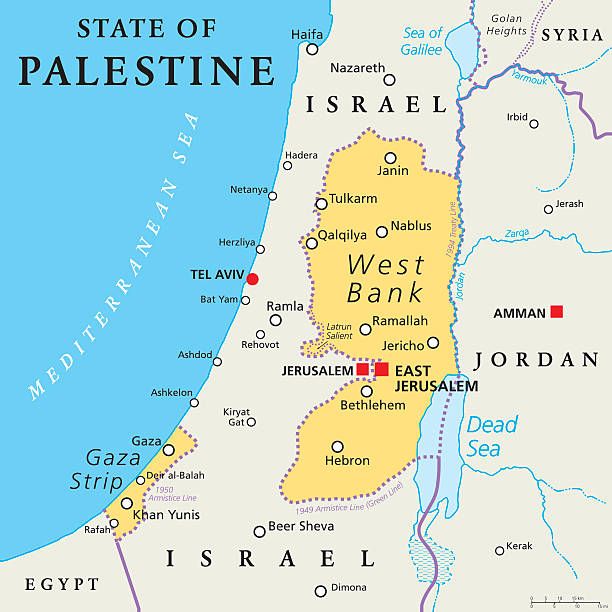
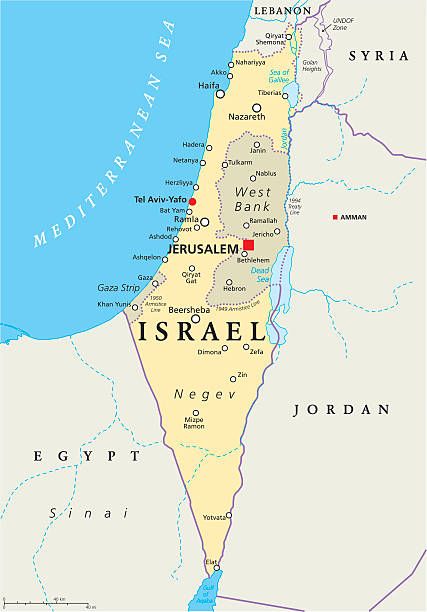
In the days of Jesus and the early Church (the 1st century CE), traveling from Ethiopia to Israel was a massive, perilous journey spanning roughly 2,000 to 2,500 miles.
In ancient texts, “Ethiopia” (often matching the Kingdom of Aksum or the Kingdom of Kush/Meroë just to the north) was considered the absolute edge of the known civilized world. Despite the distance, deep religious and economic connections linked the Horn of Africa to Jerusalem.
1. The Biblical Connection: The Ethiopian Eunuch
The most famous historical record of this exact journey from the 1st century is found in the New Testament (Acts 8:26-40), which describes an Ethiopian eunuch who traveled to Jerusalem to worship. [1, 2]
- His Status: He was a high-ranking court official—the treasurer to the Kandake (the queen or queen mother of the Ethiopians).
- The Context: Because he was traveling in a wheeled carriage (chariot) and reading from an expensive, handwritten Hebrew scroll of Isaiah, historians know he was incredibly wealthy and likely a Gentile God-fearer or Jewish convert who made the grueling pilgrimage to Jerusalem for a major holy feast. On his way back home, he met the evangelist Philip on the desert road to Gaza and was baptized.
2. The Two Ancient Travel Routes
A traveler like the Ethiopian eunuch would have chosen between two primary routes—one by land and one by sea—both heavily facilitated by the Pax Romana (Roman Peace) which made travel across Roman territory significantly safer.
Route A: The Nile River Valley (The Land & River Route)
This was the traditional, ancient highway connecting sub-Saharan Africa to the Mediterranean world.
- The Path: Travelers would journey north from the Ethiopian highlands or Kush through modern-day Sudan and into Egypt, following the Nile River valley. They would travel via a mix of sailing down the Nile where navigable, and walking or riding camels/donkeys along the banks to bypass the dangerous Nile cataracts.
- Entering Israel: Upon reaching Cairo/Alexandria, they would join the ancient Via Maris (Way of the Sea) trade route, traveling east across the Sinai Peninsula, up through Gaza, and ascending into the Judean hills to reach Jerusalem.
- Travel Time: Roughly 3 to 5 months of continuous travel each way.
Route B: The Red Sea (The Maritime Route)
During the 1st century, maritime trade exploded due to Roman demand for luxury goods like ivory, frankincense, and gold from the Kingdom of Aksum.
- The Path: A traveler would depart from the ancient Ethiopian coastal trading port of Adulis (near modern-day Massawa) on the Red Sea. Roman merchants had figured out how to use the seasonal monsoon winds to navigate the Red Sea efficiently.
- The Port Cities: They would sail north up the Red Sea to Roman-Egyptian ports like Berenike or Myos Hormos. From there, they would take a well-guarded desert caravan trail west to the Nile River, float down to Alexandria, and then take a Mediterranean ship to the Judean port of Joppa (Jaffa) or Caesarea, before walking up to Jerusalem.
- Travel Time: Considerably faster than the land route if the winds were favorable, taking roughly 4 to 8 weeks.
3. Why Did People Make This Journey?
- Trade: Ethiopia exported highly prized commodities to the Roman Empire, including ivory, gold, frankincense, myrrh, and exotic animals. Merchants regularly moved back and forth along these routes.
- Religion: Ever since the historic meeting between King Solomon and the Queen of Sheba, there was a deeply rooted community in the Horn of Africa that practiced a form of Judaism. High-ranking individuals or devout pilgrims willingly faced months of dangerous travel just to pray at the Temple in Jerusalem
When Jesus was born, Jerusalem was ruled by Herod the Great, a client king of the Roman Empire, and was inhabited by a diverse population of tens of thousands of people.
The Population and Demographics
- Total Population: First-century Jerusalem generally housed between 35,000 and 70,000 residents, though the number swelled significantly into the tens of thousands or higher during major Jewish pilgrimage festivals like Passover. [1, 2]
- Local Residents: The vast majority of the population was Jewish, including local Judeans, temple clergy, and religious leaders. [1, 2]
- Diverse Groups: The city also featured a vibrant diaspora and immigrant community, including Hellenistic (Greek-speaking) Jews from places like Egypt and Cyrene, Roman administrators/soldiers, and visitors from neighboring regions. Prominent archaeological finds (such as the Tomb of the Kings and the Nicanor Burial Cave) highlight the presence of wealthy diaspora figures who retired or contributed to Jerusalem. [1, 2]
Key Figures Connected to Jerusalem at His Birth
- King Herod the Great: Ruled Judea as a Roman-allied king until his death shortly after Jesus’s birth (which triggered the flight to Egypt and the eventual division of his kingdom among his sons). [1, 2, 3]
- Temple Figures: According to the Gospel of Luke, Joseph and Mary brought the infant Jesus to the Second Temple in Jerusalem 40 days after his birth for rites of purification, where he was met and blessed by devout elders Simeon and Anna the Prophetess. [1, 2]


Leave a Reply