God is a God of grace, renewal, and second chances, offering fresh starts when we make mistakes or wander.
We un the Word of God are keenly aware of Peter’s denial of Jesus secondary to fear!
Peter: After denying Jesus three times, Peter received restoration and was chosen to lead the early church (The Light of Christ Journey).
Jonah: After fleeing from God’s initial call, Jonah was given a second chance to preach to Nineveh (Ladies Drawing Nigh).
David: Despite severe failures in his life, David sought repentance and experienced God’s forgiving mercy (Strength for the Soul).
Key Scriptural Truths
- Lamentations 3:22–23: His mercies “are new every morning.”
- Psalm 103:10–12: God does not treat us as our sins deserve, removing our transgressions far from us.
- 2 Corinthians 5:17: “If anyone is in Christ, the new creation has come: The old has gone, the new is here!”
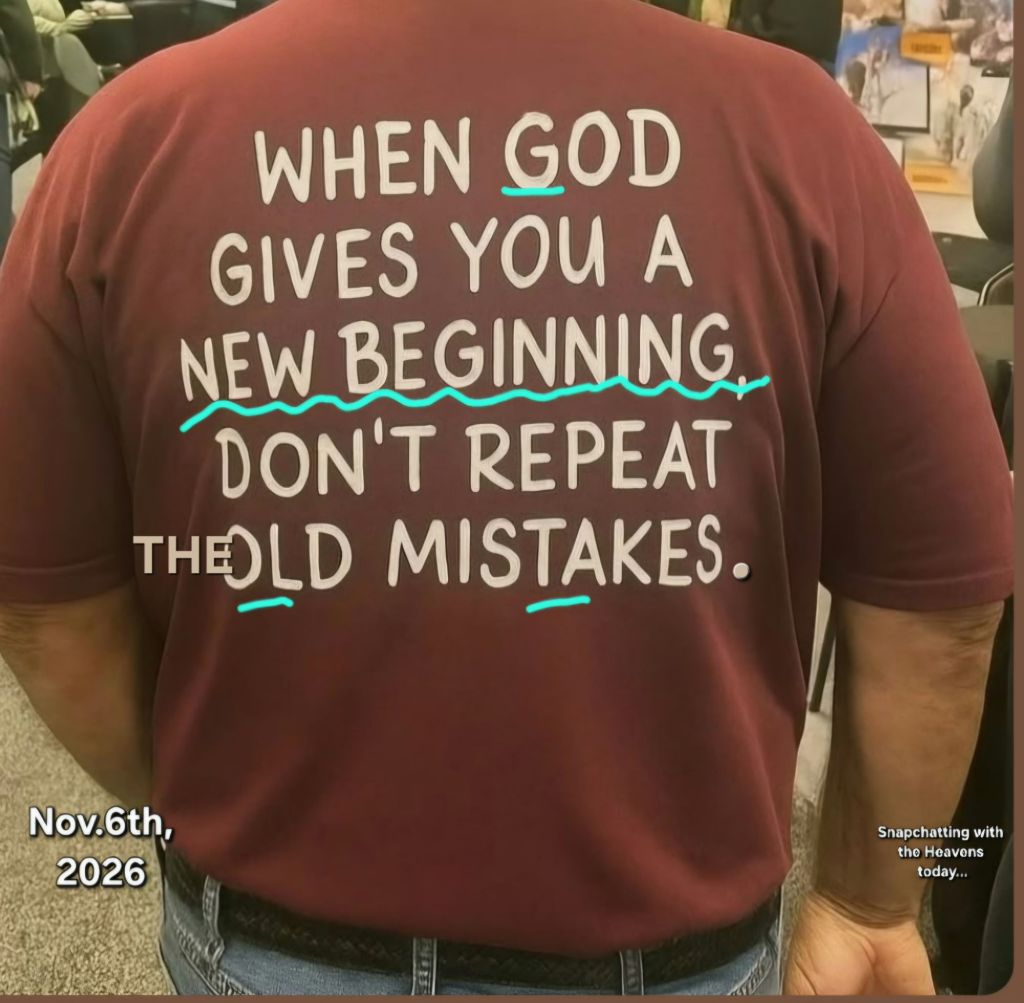
A WHISPER FROM HEAVEN!
📌 No one is above mistakes and so, God allows second chances.
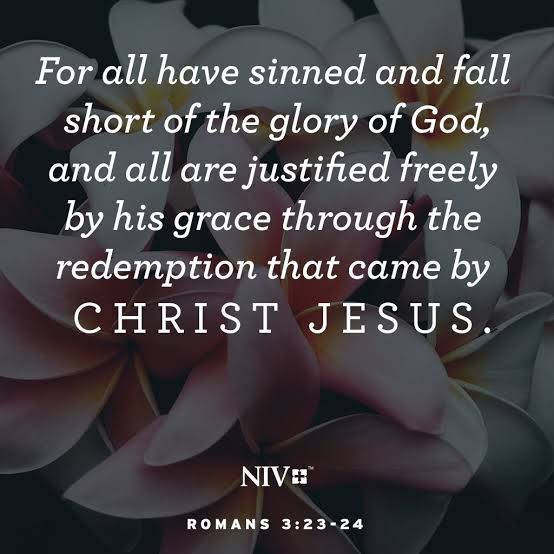
Core Meaning
- Universal Sinfulness: Every human being has committed sin and misses God’s standard of absolute holiness and righteousness.
- The “Glory of God”: It means humanity falls short of reflecting the perfect Character and Design of God. No one can earn a right standing with God through their own moral effort or good works alone.
The Context and Solution (Romans 3:23–24)
While verse 23 establishes the universal problem of human imperfection, the very next verse (Romans 3:24) provides the Christian solution:
- Free Justification: People are declared righteous not by their own merits, but freely by God’s grace.
- Redemption: This grace comes through the redemption and sacrifice provided by Jesus Christ.
No one is above mistakes and so, God allows second chances.
God offers unlimited second chances and fresh starts through grace, mercy, and forgiveness.
Remember this:
Key Biblical Themes on Second Chances:
Inexhaustible Mercy: God’s forgiveness is greater than human error or the severity of past sins, as seen in accounts like King Manasseh or Peter.
Fresh Starts: Figures like Jonah received a second opportunity to follow God’s purpose after straying or failing.
Humility and Repentance: Second chances require acknowledging mistakes and turning away from them rather than staying trapped in guilt or shame.
Boundaries and Trust: While divine forgiveness is open to all who repent, human reconciliation and trust require demonstrated change over time.
A mistake is no more an ordinary mistake when we keep on repeating it.
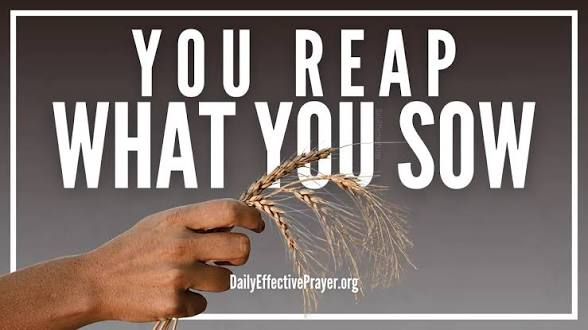
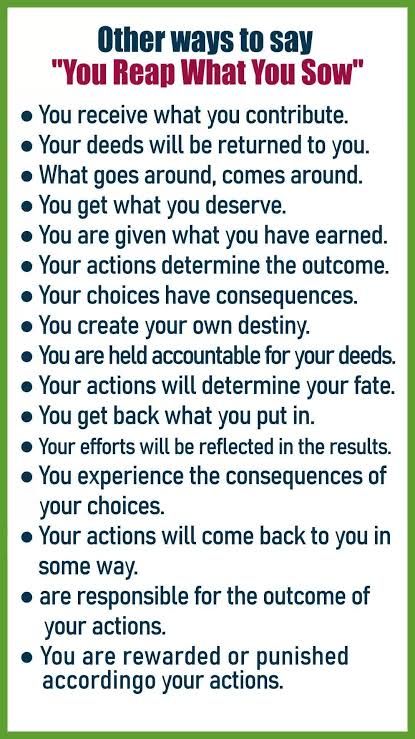
Remember this: What you sow, you will reap!
A ‘repeated’ mistake is either a camouflaged ‘deliberate’ choice or the individual is a fool, or misguided and effected under a spell. Let’s note that…
According to the Bible, true believers in Christ cannot be put under a spell or cursed, because God’s protection and authority far surpass any dark arts or human-initiated magic.
Key Biblical Principles
- Spells Have No Power Over God’s People: Numbers 23:23 states, “There is no divination against Jacob, no sorcery against Israel.” In biblical theology, this means curses, hexes, or magic cannot bind or harm someone who belongs to God.
- Undeserved Curses Fail: Proverbs 26:2 teaches that “like a fluttering sparrow or a darting swallow, an undeserved curse does not come to rest.”
- The Supremacy of Christ: The New Testament emphasizes that believers are sealed by the Holy Spirit and that “the One Who is in you is greater than the one who is in the world” (1 John 4:4). Nothing can separate a Christian from the Love of Christ (Romans 8:38–39).
How the Bible Views Spells and Witchcraft
- Strict Prohibition: The Bible heavily condemns witchcraft, sorcery, divination, and casting spells (Deuteronomy 18:9–12), calling them detestable (Deuteronomy 18:12).
- Deception vs. Superior Power: While Scripture acknowledges supernatural manifestations or deceptive practices (such as the Egyptian magicians in Exodus 7 or Simon the Sorcerer in Acts 8:9–11), these powers are subordinate to God and derive no legitimate authority over a believer.
- Spiritual Vulnerability: Traditional Christian teaching notes that fear, living outside of fellowship with God, or dabbling in occult practices themselves can open a person up to spiritual anxiety, deception, or bondage, which is why Scripture commands believers to resist darkness and anchor themselves in faith.
Reflection: Our views of the past determine it’s relevant to the present and the future.
Jesus gives a fresh start: He transforms us with new perspectives to put our heart to wisdom so that we can learn from the past wrong choices and bridge the gaps to maximize our lives.
The truth? Rahab –
The story of Rahab is found in the Book of Joshua 2 NIV – Rahab and the Spies.
1. The Spies Arrive in Jericho
- The Mission: Before entering the Promised Land, Joshua sends two Israelite spies into the fortified Canaanite city of Jericho.
- The Shelter: The spies go to the house of Rahab, a woman identified as a prostitute or innkeeper whose home is built right into the outer city wall.
2. Hiding the Spies and Deceiving the King
- The Threat: The King of Jericho learns the spies are in the city and sends soldiers to Rahab’s house to demand she hand them over.
- The Deception: Rahab hides the two men under stalks of flax drying on her flat roof. She tells the king’s men that the spies already left just before the city gates closed at dusk, sending the soldiers off on a wild goose chase toward the Jordan River.
3. Rahab’s Confession of Faith
- Recognition of God: Once the soldiers leave, Rahab goes up to the roof and tells the spies that the people of Jericho are terrified of the Israelites.
- Her Declaration: She confesses deep belief in the God of Israel, stating: “The Lord your God, He is God in heaven above and on earth beneath” (Joshua 2:11).
4. The Covenant and the Scarlet Cord
- The Deal: Rahab asks the spies to swear an oath to spare her life and the lives of her father, mother, brothers, sisters, and their households when Israel destroys Jericho.
- The Sign: The spies agree on one condition: she must gather her family inside her house and tie a scarlet cord (or rope) in her window as a marker.
- The Escape: Rahab lowers the spies down through her window by a rope, advising them to hide in the hill country for three days before returning to Joshua.
5. The Fall of Jericho and Her Legacy
- The Rescue: When the walls of Jericho collapse after the Israelites march around the city, the two spies honor their oath. They rescue Rahab and her family from her house on the wall before burning the city.
- New Life and Lineage: Rahab joins the Israelite community. In the New Testament, she is celebrated in the Book of Hebrews for her faith and in the Gospel of Matthew as an ancestor in the lineage of king David and Jesus Christ (Matthew 1:5–6).
The story of Zacchaeus is found in the New Testament in Luke 19:1–10. It takes place in the city of Jericho as Jesus is passing through on His way to Jerusalem.
Key Characters
- Zacchaeus: A chief tax collector who was very wealthy. Because he worked for the Roman Empire and often extorted extra money from his own people, he was despised and viewed as a traitor and a sinner. He was also short in stature.
- Jesus Christ: Passing through Jericho, He sees past Zacchaeus’s bad reputation and offers him grace and acceptance.
The Story Events
- Climbing the Tree: Zacchaeus wanted to see what Jesus looked like, but a large crowd blocked his view. Because he was short, he ran ahead of the crowd and climbed up a sycamore-fig tree next to the road.
- The Meeting: When Jesus reached the tree, He stopped, looked up, and called him by name: “Zacchaeus, hurry down, for I must stay at your house today.”
- The Crowd’s Reaction: Zacchaeus happily climbed down and welcomed Jesus. However, the onlookers began to grumble and complain that Jesus had chosen to be the guest of a notorious sinner.
- The Transformation and Repentance: Touched by Jesus’s kindness, Zacchaeus stood up and made a public pledge: he would give half of his possessions to the poor and pay back four times the amount to anyone he had cheated.
- Jesus’s Declaration: Jesus responded that salvation had come to Zacchaeus’s house that day, concluding with the famous statement: “For the Son of Man came to seek and to save the lost.”
Paul –
The Apostle Paul and many other biblical figures received dramatic fresh starts through transformation and forgiveness.
The Apostle Paul’s Fresh Start
- From Persecutor to Apostle: Before his conversion, Paul (originally known as Saul) aggressively hunted, imprisoned, and approved the killing of early Christians.
- The Damascus Road: He encountered Jesus in a blinding light on the road to Damascus (Acts 9), changing his direction, his mission, and even his name from Saul to Paul.
- New Purpose: He went on to write a large portion of the New Testament and spread the gospel across the ancient Mediterranean world.
and many others had a fresh start: they mended their past wrongs; recovered their loss and got restored for God; they remained fallible but never repeated their careless pasts… A vital message for us!
Core Meaning & Context
- Divine Restoration: Written by the prophet Isaiah, the verse originally promised God’s deliverance and unprecedented restoration for the people of Israel out of Babylonian exile.
- Looking Forward: It urges people not to dwell exclusively on past events, previous failures, or old ways of thinking, but to open their eyes to active, new works happening in the present.
- Symbolism: The “wilderness” and “wasteland” represent dry, difficult, or hopeless seasons of life where God provides unexpected paths and refreshing water.
May God have mercy on us, Amen 🙏🔥


Leave a Reply