Core Characteristics
- Spiritual Reality, Not a Physical Address: It is not a geographical location, a specific building, a denomination, or a physical prayer closet, but a heart-level union and continuous awareness of God’s presence (in Christ).
- Hebrew Meaning (Sether / Sether Sithrah): Derived from Hebrew roots meaning a hiding place, covert, veil, shelter, or private defense, it implies something concealed from public view and safe from outside threats.
- The Authority of Elyon (Most High): The title “Most High” (Elyon) emphasizes God’s supreme, unassailable sovereignty over all creation. Because no higher power exists above Him, the safety found in His shelter is absolute.
- Shadow of the Almighty: To dwell there means to remain under the protective, cooling, and refreshing “shadow” (tsel) of God, offering defense against spiritual and natural perils.
- Intimacy Independent of Performance: Rooted in private communion (echoing principles like Jesus’s teaching on praying in an inner room in Matthew 6), it develops away from human observation, applause, or carnal competition.
- Complete Protection and Peace: It is characterized by deliverance from fear, terror by night, arrows by day, pestilence, and spiritual oppression, where God’s perfect love casts out fear.
How Believers Engage It
- Access: Opened through faith, repentance, surrender of self-reliance, and the finished work of Christ (which granted open access to the holy presence).
- Practice: Sustained through prayer, meditation on God’s word (such as Psalm 91), verbal submission of the will, and choosing to make God—rather than money, control, or human approval—one’s ultimate refuge.
The “secret place of the Most High” comes from Psalm 91:1 in the Bible:
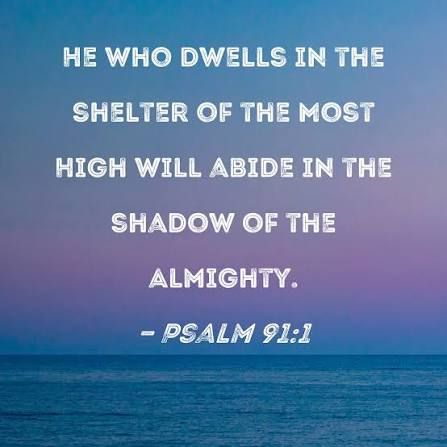
“He that dwelleth in the secret place of the most High shall abide under the shadow of the Almighty.”
What It Means
- Not a ‘Physical’ Location: It is not a geographical spot, a specific building, a room, or a church.
- A Spiritual State of Intimacy: It represents a close, personal relationship and fellowship with God, often described as dwelling in the “heart of God” or being “hidden in Christ”.
- A Hidden Refuge: The term “secret” refers to something private, set apart, and hidden from the noise, pressures, and spiritual dangers of the world.
Key Characteristics & Benefits
- Protection and Safety: Living in this space places a believer under the “shadow of the Almighty,” offering divine security, peace, and freedom from overwhelming fear (as highlighted in the rest of Psalm 91).
- Access Through Faith: Historically tied to the inner sanctuary or the Holy of Holies in the ancient Tabernacle, Christian theology views this access as now open to all believers through faith in Jesus.
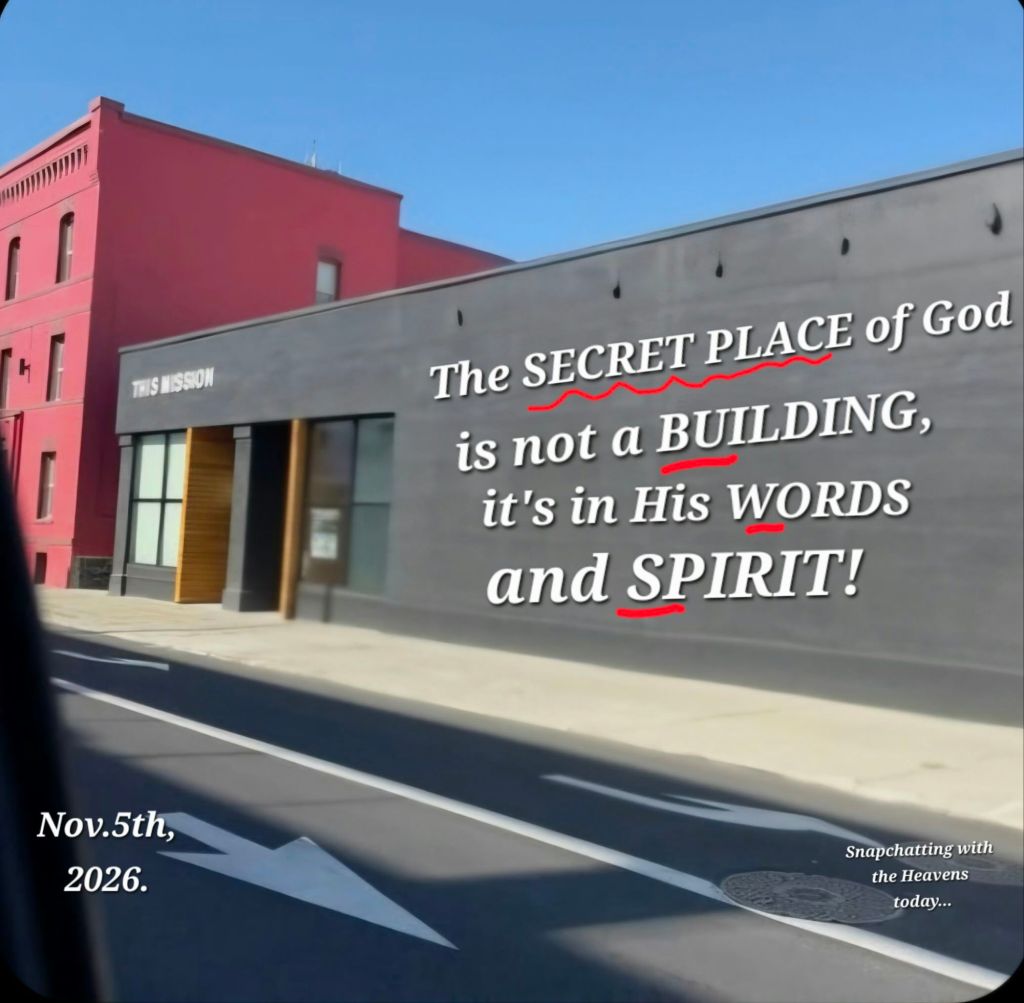
A WHISPER FROM HEAVEN!
📌 The SECRET PLACE of God isn’t physical but the fruits are visible.
Daniel, Shadrach, Mesach, and Abdanego abided under the shadow of the Almighty; they refused to compromise their faith and defile their ‘garments of righteousness’; they stood out for God in a heathen nation and so God showed up to prove Himself for them. A stark contrast to this was Abihu and Nadab:
The biblical story of Nadab and Abihu is found in Leviticus 10.
They were the oldest two sons of Aaron, Israel’s first high priest, making them prominent leaders who had previously witnessed a divine vision on Mount Sinai alongside Moses and the elders. [1, 2]
The Core Event
- The Offense: Nadab and Abihu each took their incense burner (censer), put fire and incense in them, and offered “unauthorized” or “strange” fire before the Lord—fire that God had not commanded them to use.
- The Judgment: Instantly, fire came out from the presence of the Lord and consumed them, killing them on the spot.
- The Reason: They failed to follow God’s strict instructions for temple worship (likely using fire from a common source instead of the perpetual fire from the brazen altar) and may have been under the influence of alcohol, as suggested by a subsequent divine warning.
The Aftermath and Instructions
- Aaron’s Silence: When Moses explained that God must be treated as holy by those who approach Him, Aaron remained silent in grief and awe.
- No Public Mourning: Moses told Aaron and his remaining sons (Eleazar and Ithamar) not to tear their clothes or let their hair go unkempt, warning that public mourning could bring further wrath on the camp. Cousins Mishael and Elzaphan carried the bodies outside the camp.
- New Priesthood Rule: God instructed Aaron and his descendants never to drink wine or strong drink before entering the Tent of Meeting, so they could clearly distinguish between the holy and the common, and the clean and the unclean.
Who were struck to death right inside the temple due to their disobedience; who can you relate with among these?
Reflection: We fellowship with God better in the secret place than on a stage!
Private communion with God in the secret place forms the foundational root of spiritual life, whereas public settings like a stage or corporate gathering serve different, complementary purposes.
The Secret Place (Private Devotion)
- Intimacy and Focus: The secret place—referenced in scriptures like Psalm 91:1 and Matthew 6:6—is quiet, unhurried time spent in prayer, Scripture reading, and worship when no one else is watching.
- True Motivation: Jesus contrasted private prayer with public displays meant for human recognition, emphasizing that the secret place is about genuine heart-level communion with God as both motive and reward.
- Spiritual Strength: Private fellowship builds deep unseen roots, restores energy, and prepares a believer for public obedience and character.
The Stage (Public or Corporate Worship)
- Encouragement and Community: Public services, gatherings, and shared worship provide spiritual inspiration, accountability, and mutual encouragement (Psalm 122:1).
- Expression, Not Substitution: Public platforms display what has already been cultivated in private. A public stage cannot replace the daily, personal consistency of walking with God in private.
The truth? The first prayer altar where God deals with us to suit His purposes is our heart; Obedience does not always exempt us from life’s issues, but it attracts divine attention to our needs… So, let’s be content and abide in Christ for optimum safety and fulfillment in life, and for always.
May we not trespass God’s Shadow.🙏🔥


Leave a Reply