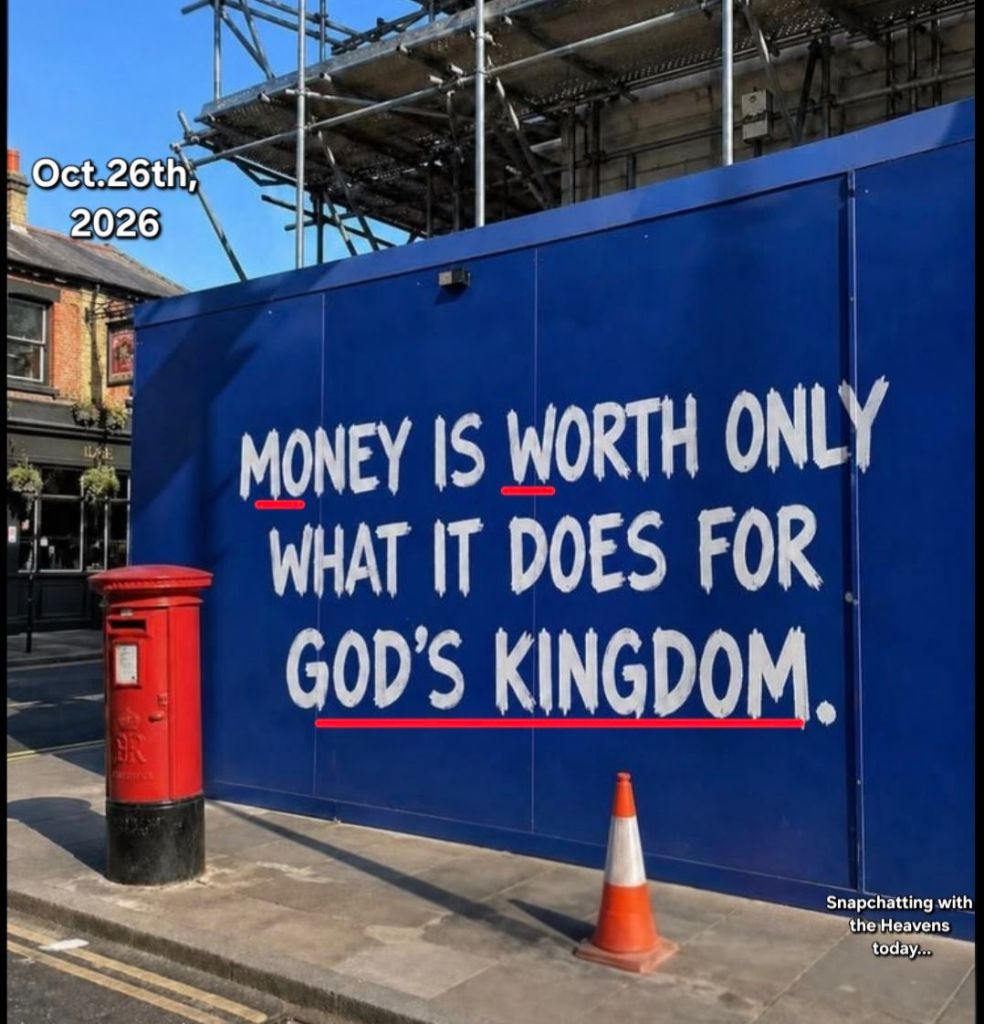
In biblical terms, the worth of money is tied directly to precious metals (weight) or days of labor, rather than a fiat currency backed by a modern government.
Key Biblical Currencies and Their Estimated Values
- Lepton / Mite: The smallest bronze coin of the New Testament; worth a fraction of a cent (or a few minutes of work).
- Denarius / Drachma: A standard silver coin representing a full day’s wage for an ordinary laborer or soldier (roughly equivalent to $50–$80+ in modern purchasing power).
- Shekel: Originally a unit of weight (about 10–11 grams of silver), a shekel was roughly worth two denarii (about 2 to 4 days’ wages).
- Mina (Pound): Equivalent to about 100 denarii, representing roughly three to four months of an ordinary worker’s wages (modern estimates range from $5,000 to $40,000).
- Talent: The largest unit of currency or weight in the Bible, equivalent to 6,000 denarii (about 20 years of labor for a daily worker). A talent of silver or gold can range from $300,000 to over $1.5 million+ in modern value depending on whether it is calculated by metal weight or labor equivalence.
The Spiritual and Moral Worth of Money
- Stored Labor (“Life”): Money represents human time, strength, and hours of life spent working.
- Spiritually Neutral: Money itself is not inherently evil, but the Bible teaches that the love of money is the root of all kinds of evil (1 Timothy 6:10) and a severe test of the human heart.
- True Worth: Scriptural worth places eternal, spiritual wealth (salvation, character, generosity, and obedience to God) far above material possessions or net worth.
A WHISPER FROM HEAVEN!
📌 The eternal relevance of a thing determines it’s worth.
We commonly says that “God owns our lives and resources (as believers)” but the sincerity is tested by our availability and response to the demands of our stewardship. No one is a ‘saint’ in this regard: every grumble, complaint, and excuse count towards this!
The wealthiest in the world’s systems is the poorest in God’s Kingdom, unless she/he adds value to the ‘needy’ and God’s Kingdom with her/his acquisitions. Sadly, most of them are often selfish and too ‘calculative’, only what yields DIRECT gain matters to them, the rich young ruler counseled by Jesus sampled them:
In Luke 18:18–22, a wealthy ruler asks Jesus what he must do to inherit eternal life, and Jesus challenges him to sell all his possessions, give the money to the poor, and follow Him.
Key Events of the Passage
The Question: A rich ruler asks Jesus, “Good teacher, what must I do to inherit eternal life?”
Jesus’ Reply on Goodness: Jesus asks him, “Why do you call me good? No one is good—except God alone.”
The Commandments: Jesus reminds him of the law: do not commit adultery, do not murder, do not steal, do not give false testimony, and honor your father and mother.
The Ruler’s Claim: The man answers that he has kept all of these commandments since he was a boy.
The Final Test: Jesus tells him he still lacks one thing: sell everything he owns, give the proceeds to the poor to gain treasure in heaven, and then come and follow Him.
A Charge: Rate how serious you are to add values to your world free of charge. Any need to change?
The truth? A worthy child of God will steward their resources and life in view of eternity rather than for only personal pleasures:
Matthew 6:19–21 is a teaching from Jesus about material possessions, earthly values, and eternal focus.
Scripture Text (NIV)
19 “Do not store up for yourselves treasures on earth, where moths and vermin destroy, and where thieves break in and steal.
20 But store up for yourselves treasures in heaven, where moths and vermin do not destroy, and where thieves do not break in and steal.
21 For where your treasure is, there your heart will be also.”
Resources and prayers can reach the unreachable people and places…
Resources and strategic prayer help connect global ministries with over 3 billion unreached people living in restricted or remote areas.
Key Prayer & Strategic Focus Areas
- Workers & Laborers: Praying for God to raise up, send, and protect local and cross-cultural missionaries.
- Scripture Translation: Supporting the translation of the Bible into hundreds of local and indigenous languages.
- Open Hearts: Interceding to overcome spiritual barriers, persecution, and political restrictions in regions like the 10/40 Window.
- Indigenous Leadership: Equipping local believers and native pastors to plant sustainable, self-multiplying churches.
Practical Tools & Resources
- Joshua Project: Access interactive maps, frontier people group profiles, and the Unreached of the Day mobile app.
- Radical: Utilize global prayer guides, strategic databases, and the Pray the Word resources.
- Global Frontier Missions: Find detailed country- and culture-specific prayer breakdowns for major groups like the Fulani, Berbers, and Uyghurs.
- Reach the Rest: Explore training models and grassroots church-planting initiatives across Africa and Asia.
A vital message for us!
May our life be worthwhile.🙏🔥


Leave a Reply