Dear God, thank You for bringing me through another day. As I get ready to rest tonight, I’m being honest about how hard waiting is, and I’m choosing to believe that a delay from You is never a denial. Your Word in Habakkuk 2:3 says, “For the vision is yet for an appointed time; but at the end it will speak, and it will not lie. Though it tarries, wait for it; because it will surely come, it will not tarry.” God, You can see around every curve, and I can’t, so I’m surrendering my timeline tonight. I don’t want to force open a door You’re holding shut. I’d rather be ready than rush and lose what You’ve promised. So I’m letting go of the pressure, the comparing, and the need to have it all figured out. Help me rest tonight knowing You’re working in the places I can’t see, and help me trust You again tomorrow. I give this night to You. In Jesus’ Name, Amen.
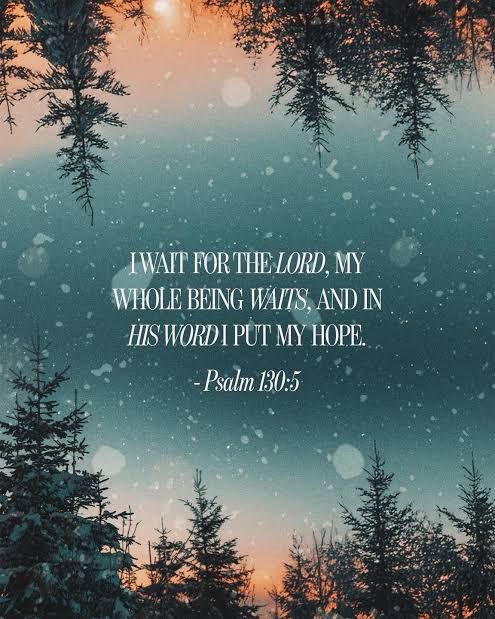
Psalm 130:5 states: “I wait for the Lord, my soul waits, and in his word I hope.” This verse serves as a crucial turning point in Psalm 130 (a “Song of Ascents” and a penitential psalm).
It marks the shift where a cry of deep distress transforms into a settled, confident posture of faith.
An analysis of the meaning, leading, and blessing of this scripture reveals its structural and spiritual depth.1. The Meaning: Active, Soul-Level AnticipationIn the original Hebrew, the word for “wait” is qavah, which carries the idea of an intense, expectant longing—similar to a tightly twisted cord pulled taut under tension.
“My soul waits”: The psalmist is not merely passing the time or experiencing a passive delay. This waiting engages their entire being. It is an internal, spiritual discipline of aligning one’s mind, desires, and motives entirely with God.
“In his word I hope”: True biblical hope is not wishful thinking or vague optimism. The text anchors this hope directly in God’s Word—His revealed promises, covenants, and unchanging character. The ground for this confidence is what God has spoken, rather than personal merit or shifting circumstances.
2. The Leading: Guidance Through the Posture of FaithPsalm 130:5 provides practical leadership for believers navigating seasons of uncertainty, suffering, or delayed answers:
It leads us away from self-reliance: The verse explicitly directs focus away from human efforts, worldly solutions, or material safety nets. It guides the heart to wait on God alone.
It leads us to spiritual examination: The transition into waiting prompts an intentional pause. It leads believers to examine their lives and ask whether their hearts are truly aligned with God’s directives, preparing them to receive His deliverance with genuine gratitude.
It leads us to a “Watchman” mindset: The context of the following verse (v. 6) compares this waiting to watchmen guarding a city wall through a dark night. It guides believers to live in tension—acknowledging the reality of the present darkness while remaining entirely certain that the “morning” of God’s deliverance will arrive. [
3. The Blessing: What is Received in the WaitingThough waiting is often difficult, positioning oneself according to Psalm 130:5 unlocks profound spiritual blessings:
The Blessing of Security: Anchoring hope in the eternal Word of God provides a foundation that cannot be shaken by life’s trials. It guards against the ultimate disappointment that comes from placing trust in temporary things.
The Blessing of Spiritual Endurance: True patience and strength are forged in the waiting room. Relying on God’s perfect timing allows faith to mature, shifting focus from demanding an immediate rescue to cultivating an intimate relationship with the Deliverer.
The Assurance of Redemption: The ultimate blessing of this posture is the peace that comes from knowing God’s character. As the psalm concludes, those who wait on Him discover that “with the Lord is unfailing Love and with Him is full redemption.”


Leave a Reply